

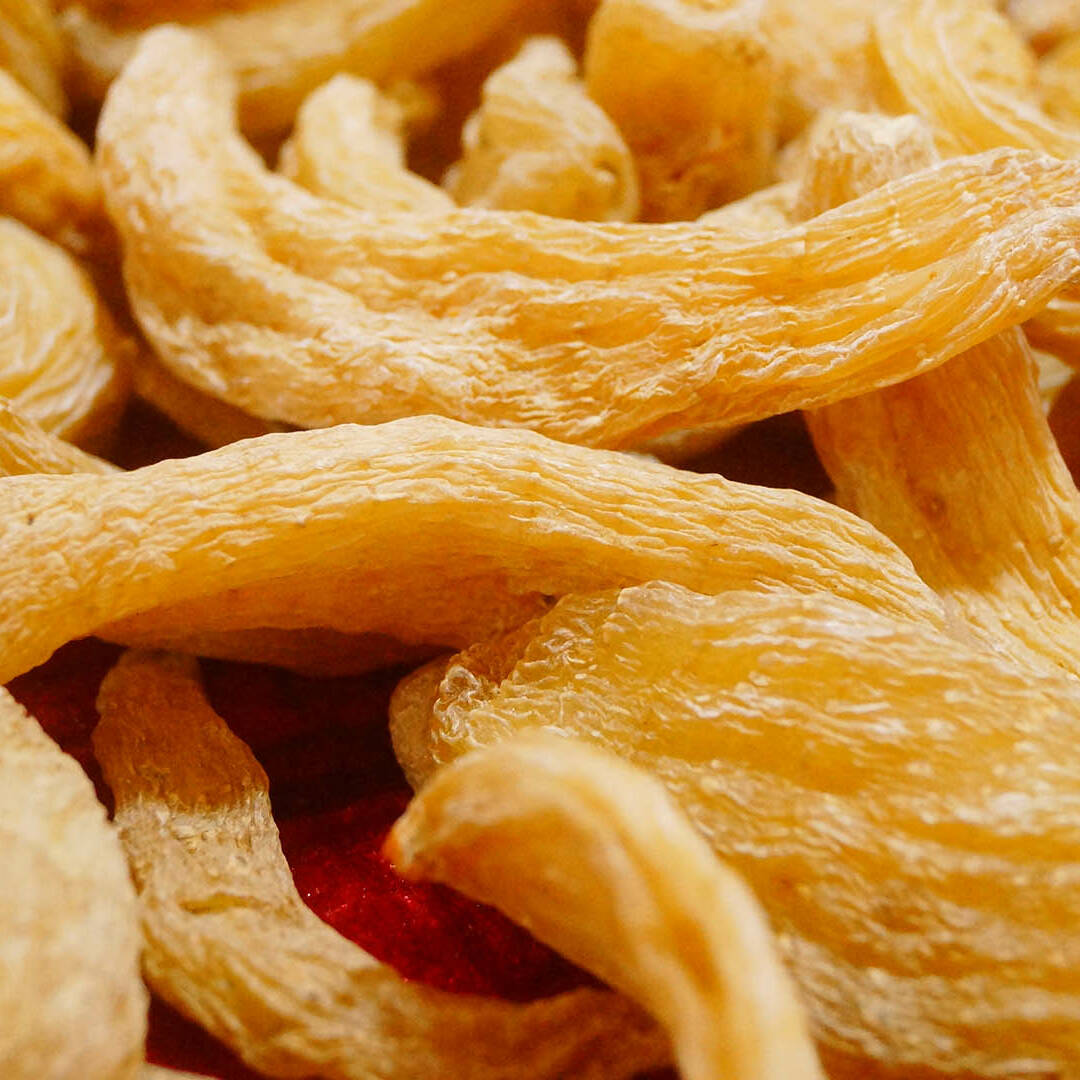
Gastrodia elata
Gastrodia elata
Gastrodia elata (Chinese 天麻 Tian Ma) is a perennial plant belonging to the Orchidaceae family. It is one of the most celebrated herbs in traditional Chinese medicine (TCM), used for more than a thousand years to treat neurological disorders.
From the rhizome (tuberous root) of Gastrodia elata is obtained Gastrodin, a natural bioactive compound, a 4-hydroxybenzyl alcohol glycoside. Glucose binding improves water solubility, facilitates absorption and stabilizes the compound until the active ingredient is released into the body.
Gastrodia elata as a natural source is a parasitic plant that grows in the mountainous regions of East Asia. The main properties of Gastrodia elata are:
Neuroprotective
Helps protect neurons from oxidative damage and excitotoxicity.
Calming Effect
Used to treat dizziness, headache, anxiety, insomnia, restlessness in TCM.
Anticonvulsant Activity
May reduce epileptiform activity, traditionally used against epilepsy and seizures.
Brain Microcirculation Support.
Improves blood flow to the brain, is used as an adjuvant in stroke and ischemia.
Antioxidant and Anti-inflammatory Action.
Reduces oxidative stress and modulates inflammatory mechanisms.
Scientific evidence is based on in vitro studies and animal models, much of the evidence comes from preclinical research; human clinical studies are still limited. Gastrodia elata is generally well tolerated at conventional doses. Concentrated extracts should be taken under medical supervision, especially for long-term use or in combination with neurological drugs. As we always recommend, it is important to consult a health care professional before starting any new supplement or treatment.

Related Contents

Adaptogens: the plants that help the body respond to stress
Adaptogens are botanicals that support psychophysical resilience by modulating the HPA axis. Ashwagandha, Gastrodia elata, Rhodiola: mechanisms, evidence, and applications in formulation.

Encanto Nutraceutical at in-Vitality 2026
Encanto Nutraceutical returns to in-Vitality 2026, November 25–26 at the Allianz MiCo in Milan: formulation, production, and co-packing of dietary supplements. Booth A59.
Probiotics: what counts is the expiry-date dose
The number of live cells listed on the label must be guaranteed until the expiration date. Water activity, format, and packaging all affect the stability of probiotics.
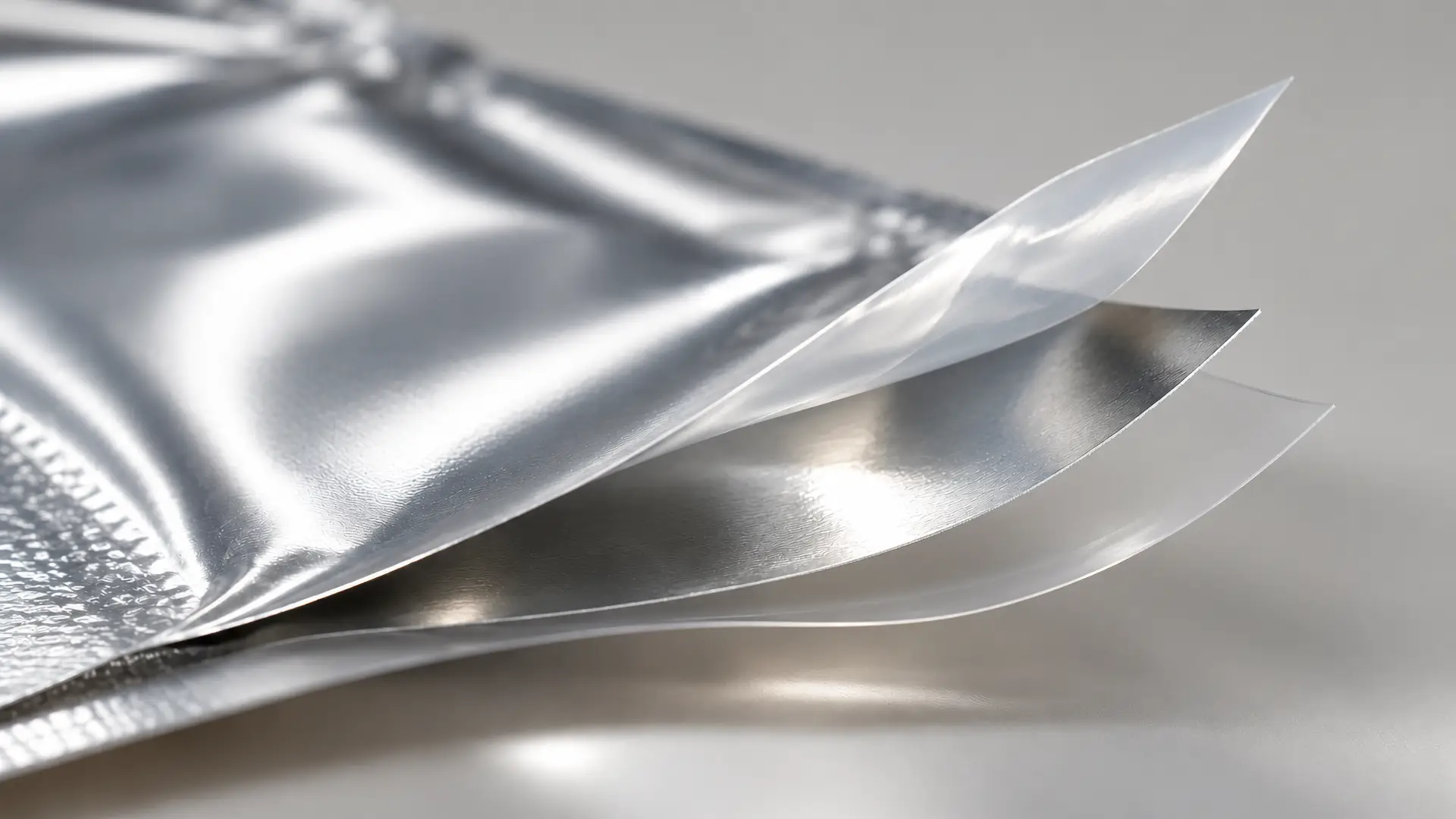
Barrier Packaging: what actually protects a dietary supplement
Oxygen, light, and moisture degrade active ingredients before their expiration date. How materials and packaging act as barriers, and the issue of recyclability.

Sleep Supplements: the category consumers are evaluating
Sleep is the only category in which consumers evaluate the results using a number.

Packaging and Environmental Claims: Who is responsible for What
MASE has clarified the roles regarding PPWR: whoever applies the label is the manufacturer. The Green Claims regulations take effect on September 27. Here’s what to check now.

Carbo Gel 2:1: how Yamamoto launched the new Sport line with Encanto Nutraceutical, from formula to packaging.
Yamamoto entrusted Encanto Nutraceutical with the development of Carbo Gel 2:1 in a non-dispersible Doypack. The case study of the launch of the Sport line.

Gourmet Glaze with Balsamic Vinegar of Modena PGI in a packet: how Acetum is bringing Mazzetti l’Originale to the US market.
Encanto packages Mazzetti l'Originale glaze in sachets and Aceto Balsamico di Modena IGP for Acetum. CSQA-certified co-packing, in the production area.