

Menopause and Nutraceuticals: functional ingredients for each phase.
Per molto tempo la menopausa è stata raccontata quasi esclusivamente come un catalogo di sintomi da gestire: vampate, insonnia, sbalzi d’umore, calo del desiderio. Un elenco di cose che smettono di funzionare. Oggi quella narrazione si sta riscrivendo — non perché i sintomi siano scomparsi, ma perché è cambiato il modo in cui le donne e il mercato guardano a questa fase della vita. La menopausa non è una malattia. È una transizione fisiologica che dura mediamente tra i 5 e i 10 anni, interessa oltre 13 milioni di donne in Italia e rappresenta, per il mercato nutraceutico, una delle opportunità di sviluppo prodotto più concrete del prossimo decennio.


Il mercato internazionale degli integratori per la salute femminile in menopausa vale oggi oltre 600 milioni di dollari a livello globale, con una crescita annua superiore al 7%. In Europa la domanda è trainata da una generazione di donne tra i 45 e i 60 anni che cercano soluzioni non ormonali, naturali, supportate dalla scienza — e disposte a pagare per prodotti ben formulati. Non è un trend: è una domanda strutturale che i brand owner stanno iniziando a presidiare con serietà.
Cosa cambia con il calo degli estrogeni
La menopausa è definita dalla cessazione permanente delle mestruazioni, conseguente all’esaurimento dei follicoli ovarici e alla riduzione della produzione di estrogeni e progesterone. Il calo estrogenico non interessa solo la sfera riproduttiva: gli estrogeni hanno recettori in quasi tutti i tessuti dell’organismo — pelle, ossa, sistema nervoso centrale, mucose, apparato cardiovascolare. La loro riduzione produce effetti diffusi e sovrapposti, che si manifestano con intensità diversa da donna a donna.
I sintomi più comuni si raggruppano in tre aree: i sintomi vasomotori — vampate e sudorazioni notturne, presenti nel 70–80% delle donne in perimenopausa; i sintomi da atrofia urogenitale — secchezza vaginale, dispareunia, irritazione delle mucose; e i sintomi sistemici — disturbi del sonno, variazioni dell’umore, calo cognitivo percepito, cambiamenti nella composizione corporea con aumento del grasso viscerale e riduzione della massa muscolare.
Parallelamente ai sintomi acuti, si sviluppano effetti a lungo termine che impattano sulla salute ossea — con accelerazione della perdita di densità minerale ossea nei primi anni dopo la menopausa — e cardiovascolare, dove gli estrogeni svolgevano un ruolo protettivo che viene progressivamente meno.
Collagene Marino: pelle, ossa e tessuto connettivo
La riduzione degli estrogeni accelera il declino della sintesi di Collagene — già fisiologicamente in calo di circa l’1–2% all’anno dopo i 25 anni. Nei primi cinque anni dopo la menopausa, si stima una perdita di circa il 30% del Collagene cutaneo, con conseguenze visibili sull’elasticità, lo spessore e l’idratazione della pelle. Parallelamente, il Collagene di tipo I delle ossa diminuisce, contribuendo all’osteoporosi post-menopausale.
L’integrazione con Collagene Marino idrolizzato — in particolare con peptidi di piccole dimensioni (di e tri-peptidi) ad alta biodisponibilità — ha mostrato negli studi clinici un miglioramento dell’elasticità cutanea, dell’idratazione e della riduzione delle rughe superficiali, con effetti documentati dopo 8–12 settimane di assunzione. L’associazione con Vitamina C — cofattore indispensabile per la sintesi endogena di Collagene — e con Acido Ialuronico amplifica l’effetto sul mantenimento dell’idratazione dei tessuti.
Omega-7: il supporto alle mucose che il mercato stava cercando
La secchezza delle mucose è uno dei sintomi più frequenti e meno discussi della menopausa — spesso vissuto con imbarazzo, raramente portato in primo piano nella comunicazione dei prodotti. Eppure riguarda la qualità della vita in modo diretto e significativo: secchezza vaginale, irritazione, sindrome dell’occhio secco, secchezza orale sono tutti espressione dello stesso meccanismo — la riduzione della capacità delle mucose di mantenere la loro naturale umidità in assenza del supporto estrogenico.
L’Omega-7 da olivello spinoso — acido palmitoleico estratto dalla polpa di Hippophae rhamnoides — è oggi l’ingrediente nutraceutico con le evidenze cliniche più specifiche su questo sintomo. Uno studio randomizzato controllato pubblicato su Maturitas ha documentato un miglioramento oggettivo dell’integrità dell’epitelio vaginale nelle donne in postmenopausa, con effetti anche sulla secchezza oculare. Non è un risultato marginale: è la risposta a un bisogno reale che la maggior parte dei prodotti per la menopausa ignora.


Magnesio: sonno, sistema nervoso e salute ossea
Il Magnesio è tra i minerali che più direttamente rispondono alle esigenze della donna in menopausa — per motivi multipli e convergenti. I disturbi del sonno sono tra i sintomi più invalidanti di questa fase: il Magnesio, in particolare nelle forme Bisglicinato e Glicerofosfato, supporta la qualità del sonno attraverso l’azione sui recettori GABA e la regolazione del cortisolo notturno. Il sistema nervoso sotto pressione — per stress, insonnia, variazioni ormonali — beneficia dell’azione calmante specifica del Magnesio sulla trasmissione neuromuscolare.
Sul fronte osseo, il Magnesio è componente strutturale del cristallo di idrossiapatite e cofattore degli enzimi del metabolismo della Vitamina D — un ruolo particolarmente rilevante in una fase in cui la salute ossea è sotto pressione. L’associazione Magnesio + Vitamina D + Vitamina K2 è oggi considerata lo standard formulativo per il supporto alla salute ossea nella donna in postmenopausa.


Ashwagandha: la gestione dello stress nella transizione
Il climaterio è una fase di profondo riassestamento non solo ormonale ma anche psicologico. Ansia, irritabilità, sensazione di perdita di controllo, calo della resistenza allo stress quotidiano: sono esperienze che molte donne descrivono come più destabilizzanti delle vampate stesse. L’Ashwagandha — con la sua azione documentata sulla riduzione del cortisolo e sull’equilibrio del sistema nervoso autonomo — si inserisce in questo contesto come adattogeno di riferimento.
Studi clinici condotti specificamente su donne in perimenopausa mostrano riduzioni significative dei sintomi da stress e miglioramenti nella qualità del sonno, con un profilo di tollerabilità favorevole nelle dosi validate (300–600 mg/die di estratto standardizzato). Va ricordato che l’Ashwagandha è sconsigliata in gravidanza e che il quadro normativo europeo su questa pianta è in fase di revisione: chi formula prodotti destinati al mercato UE deve monitorare l’evoluzione delle indicazioni delle autorità competenti.
Costruire una formula: oltre il singolo ingrediente
La vera opportunità nel segmento menopausa non è il singolo ingrediente — è la formula multi-target. La donna in perimenopausa raramente ha un solo sintomo: ha vampate e insonnia, secchezza e dolori articolari, umore variabile e stanchezza. Una formulazione che risponda a più bisogni con ingredienti sinergici e dosaggi efficaci è molto più rilevante di una capsula monoin ingrediente.
Le combinazioni con più razionale scientifico per questo segmento includono Collagene Marino + Acido Ialuronico + Vitamina C per la pelle e i tessuti connettivi; Omega-7 + Vitamina A per le mucose; Magnesio + Vitamina D + Vitamina K2 per le ossa; Ashwagandha + Magnesio per il sonno e lo stress. La sfida formulativa è integrare questi attivi in un prodotto con buona compliance — formato, sapore, dimensione della dose — e comunicazione chiara e credibile.
Se stai sviluppando una linea per la salute femminile o vuoi approfondire le possibilità formulative per il segmento menopausa, siamo disponibili a una conversazione.
I contenuti di questo articolo hanno carattere informativo e non sostituiscono il parere medico. Le donne in menopausa che valutano l’integrazione nutraceutica, in particolare in presenza di terapie farmacologiche in corso, sono invitate a consultare il proprio ginecologo o medico di riferimento.

Related Contents
Barrier Packaging: what actually protects a dietary supplement
Oxygen, light, and moisture degrade active ingredients before their expiration date. How materials and packaging act as barriers, and the issue of recyclability.

Sleep Supplements: the category consumers are evaluating
Sleep is the only category in which consumers evaluate the results using a number.

Packaging and Environmental Claims: Who is responsible for What
MASE has clarified the roles regarding PPWR: whoever applies the label is the manufacturer. The Green Claims regulations take effect on September 27. Here’s what to check now.
PPWR and Green Claims 2026: what’s changing for businesses
As of August 12, packaging is a regulated product; as of September 27, environmental claims must be substantiated. What will change with the PPWR and Green Claims in 2026.
Vegan Supplements: why Certification matters more than Claim
There was a time, not many years ago, when the word "Vegan” on a label was enough to set a product apart. Today, that’s no longer the case — at least not on its own.
Private Label vs White Label
Private Label and White Label are often confused. The difference lies in who develops the formula — and this affects the timeline, costs, and exclusivity of your product.
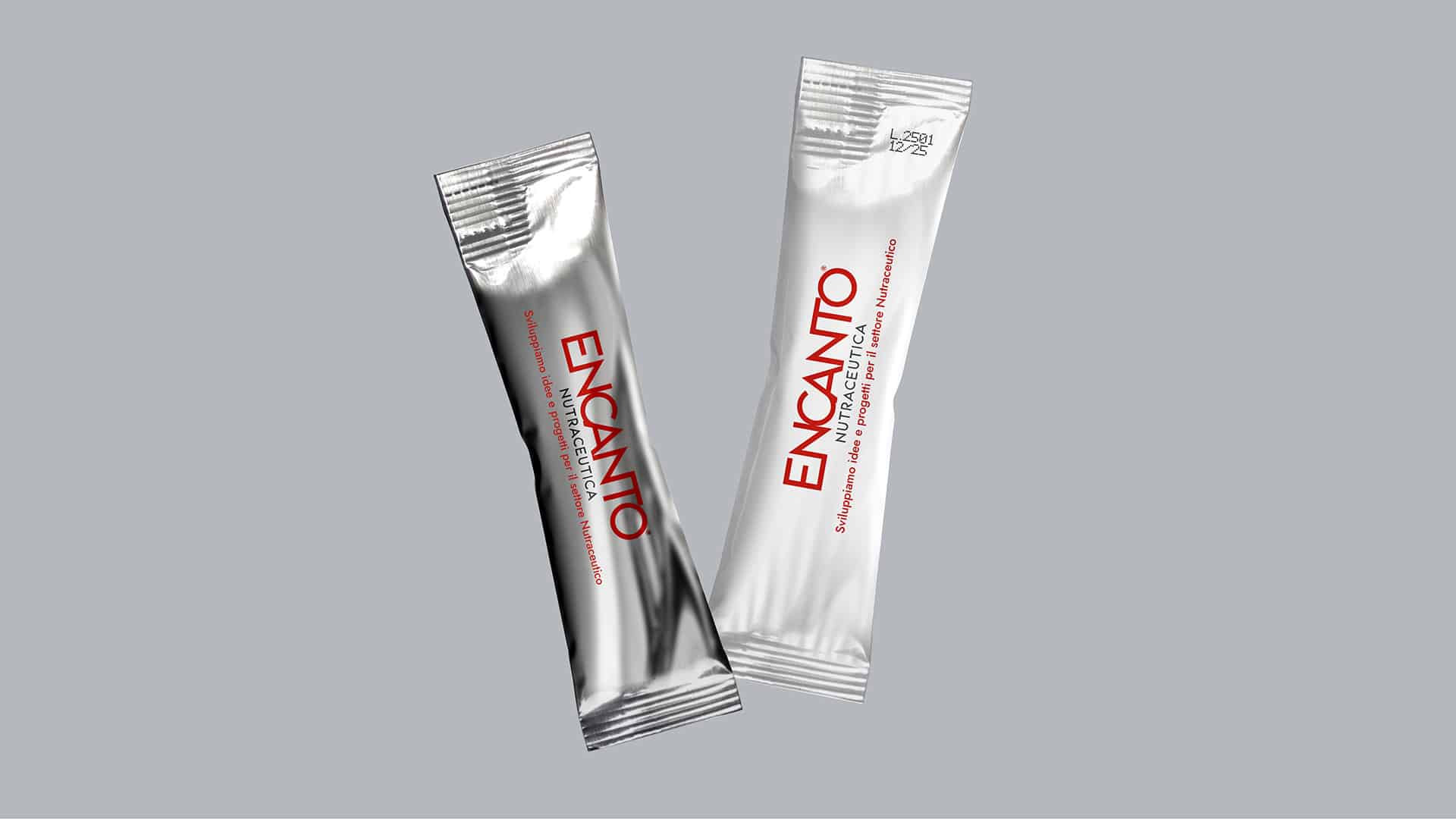
Stick Packs: When the Packaging Is Already Half the Product
The Stick Pack is the fastest-growing nutraceutical format. Portability, single-serve portions, branding, and compliance: why more and more brand owners are choosing it to launch supplements.

Supplementary animal feeds are serious products. We treat them as such.
The packaging of supplements and complementary feed for pets takes place in a dedicated department, in compliance with EC Reg. 183/2005.

Adaptogens: the plants that help the body respond to stress
Adaptogens are botanicals that support psychophysical resilience by modulating the HPA axis. Ashwagandha, Gastrodia elata, Rhodiola: mechanisms, evidence, and applications in formulation.

Balsamic Vinegar of Modena PGI: what it means to package it
PGI is not a decorative label. For Balsamic Vinegar of Modena, every step-including packaging-meets precise rules and verifiable controls