

According to FMCG Gurus, 93 percent of global consumers have purchased at least one sports nutrition product in the past six months. A figure that, at first glance, seems like good news for those in the industry.
It isn’t. Or rather: it is not all there, the news.
In the same time frame, according to Mintel GNDP data, 14,147 new products with a high-protein claim were launched on the global market. This is a number that captures something specific: sports nutrition is no longer a growing niche category, it is a mass category that is crowding out. And when a market gets crowded, the problem changes in nature. It’s no longer about convincing people that sports supplements are useful-they already know that. It’s about understanding which consumer you’re serving and formulating accordingly.
Because the consumer, meanwhile, has multiplied.
One market, three product logics
The FMCG Gurus data segment the sports nutrition consumer into three distinct profiles with very different demand characteristics.
The first group-about 23 percent of the market-is theIntensive User. They train with frequency and structure. They look for proven efficacy: precise dosing protocols, functional ingredients with solid evidence base. For this consumer, measurable performance and outcome are the primary reason for purchase. Tolerates complex formats, not sensitive to taste as the first criterion.
The second group is the largest: 63 percent. These are the Casual Users, those who exercise three times a week, who go to the gym because it is part of a broader lifestyle. They are not looking for the performance edge: they are looking for stable energy, perceived recovery, digestive well-being. For them, gastric tolerability matters as much as dosage. Taste and texture are not secondary – they are the product.
The third group, about 15 percent, is what FMCG Gurus calls Convenient Health: consumers who have approached sports nutrition through daily wellness, not through the gym. For them, sports supplements are simply a practical form of functional nutrition. Protein snack, Creatine bar, electrolyte drink: anything goes if it is convenient, good and readable on the label.
Intensive User
Exercises with frequency and structure. Seeks proven efficacy: precise dosing protocols, functional ingredients with solid evidence base.
Casual Users
Those who work out three times a week, who go to the gym because it is part of a larger lifestyle.
Convenient Health
Consumers who approached sports nutrition through daily wellness, not through the gym.
Intensive User
Exercises with frequency and structure. Seeks proven efficacy: precise dosing protocols, functional ingredients with solid evidence base.
Casual Users
Those who work out three times a week, who go to the gym because it is part of a larger lifestyle.
Convenient Health
Consumers who approached sports nutrition through daily wellness, not through the gym.
Three profiles, three hierarchies of need, three radically different formulation approaches.
The problem is that many brands continue to formulate for the first-the one that is easier to tell, the one that responds best to performance claims-and then try to sell to the second and third. It doesn’t work. The casual consumer who buys a protein bar with the dosage designed for an elite athlete and finds himself with digestive problems never buys that bar again. The data prove it: an analysis conducted by the Syncly platform of thousands of online reviews of four protein bar brands found that negative comments about texture outnumbered positive ones 119 to 44. And the pattern is accurate: taste kills the one-star rating, but it is texture that prevents a four or five. For those who formula, this is not a marketing issue-it is a technical issue.
Protein has become a platform
For years, the iconic sports nutrition product has been Whey Protein powder. That scoop to dissolve in water after your gym session. It’s still there, it still makes sense, it still has a solid market. But it has become just one of the possible formats.
In the past two years, Protein has become a platform-a basic ingredient on which to build products with completely different sensory identities and consumption occasions. Protein bars, RTDs (ready-to-drink), puddings, ice creams, breads. Products that intercept breakfast, snacks, daily hydration. The Mintel data on 14,147 launches is there to prove it.
On this platform, brands and formulators are beginning to build what the Vitafoods Insights report calls functional stacking: combinations of ingredients with different functionalities, integrated into daily consumption formats.
Creatine is the most obvious example of this shift. An ingredient historically associated with bodybuilding and strength protocols, Creatine Monohydrate is moving out of powders and Capsules and into bars, puddings, and gummies. The European market for Creatine gummies has grown 50 percent in the past twelve months, with a 48 percent increase in the number of brands marketing them as well (Nutrition Integrated, 2025). This is no coincidence: the gummy format lowers the perceived barrier, fits into everyday consumption occasions, and speaks to a wider audience than the traditional gym-goer.
Branched-chain amino acids (BCAAs) -leucine, isoleucine, and valine-follow the same trajectory. They originate as a powder or Capsules supplement for endurance and strength athletes. They are migrating into RTDs, snack bars, and dairy products. A note of honesty applies here, however: the scientific evidence on BCAAs in sports performance is mixed. A 2022 systematic review published in Nutrients evaluated the oral use of BCAAs in athletic populations and reported uneven results on recovery, performance, and training adaptation. The authors explicitly conclude that the benefits should be interpreted with caution.
For those developing products with BCAAs, this does not mean giving up the ingredient-it means being precise about what is claimed. Digestive tolerability, palatability, convenience of format-these are sustainable claims. The promise of superior performance, without a solid contextualized evidence base, is the line between honest communication and overclaiming.
The third market that is reshaping demand: GLP-1 and muscle preservation
In 2025, GLP-1 receptor agonist drugs-semaglutide, tirzepatide, and molecules of the same class-have become an unexpected driver for sports nutrition. Not because athletes use them, but because their users become, for physiological reasons, consumers with very specific nutritional needs.
The mechanism is documented. GLP-1 drugs significantly reduce daily caloric intake. A review conducted by researchers at the University of Virginia, published in the Journal of Clinical Endocrinology & Metabolism, quantified that between 25 and 40 percent of the weight lost while using these drugs is lean mass-a rate that significantly exceeds normal age-related muscle decline. The researchers point out that this loss is likely driven by a protein deficit combined with direct effects of the drug on muscle mass.
The nutritional response to this problem is technical, not pharmacological: High bioavailability protein, Essential Amino Acids, micronutrients to prevent deficiencies associated with prolonged calorie restriction. Supplements to help preserve body composition during and after treatment.
Perception data also support the opportunity. According to FMCG Gurus, 17% of global sports nutrition consumers say they use GLP-1 drugs; 69% of this group is interested in nutraceutical products that support their nutritional needs in the context of treatment.
One caveat is essential, however, for anyone wishing to formulate in this space: regulatory guidance is precise. No supplement can claim to “support GLP-1,” “mimic the effects,” “enhance the drug,” or use associated pharmacological terminology. Proper communication is positioned around body composition, adequate protein intake, muscle wellness-not medication. The line is narrow, but walkable with the right words.
Hydration: the data that almost no one mentions
The sports hydration market has expanded far beyond the athlete. Products with Electrolytes, mineral salts, “daily hydration” formulas multiply the shelves. On this, however, there is one fact that almost no brand mentions – and that is worth knowing.
EFSA, the European Food Safety Authority, has not authorized any health claim linking Electrolytes directly to “hydration” as a stand-alone claim. The only hydration claim approved by EFSA relates to water: “water contributes to the maintenance of normal physical and cognitive function.”

The market, meanwhile, is full of products that suggest associations that this regulatory basis does not support. It is not just a legal risk for those who formulate or market-it is an asymmetry of competence. Knowing where the boundary is, and formulating and communicating within that boundary, is already a differentiator.
Sodium, in particular, contributes to the maintenance of osmotic balance and body fluid distribution-which makes it relevant not only for athletic performance, but for anyone who wants to formulate a hydration product with a sound scientific rationale. It means that the “hydrates us” claim must be carefully constructed, and that communicative honesty in this space is a strategic choice, not just an ethical one.
It should also be said: the distinction between dehydration and chronic under-hydration-an emerging concept in active nutrition research-opens more nuanced positioning opportunities for products aimed at the everyday consumer, who does not sweat like a marathon runner but drinks less than he or she should every day. An area in development, on which research is still ongoing.
Gut health: foundation, not trend ingredient
The interest in gut health in sports nutrition is not new, but the way it is framed is changing.
Dr. Susan Kleiner-a researcher and consultant in High Performance Nutrition-proposes a framework that shifts perspective: gut health is not an additional ingredient to be stacked on top of an existing formula. It is the foundation on which the two traditional pillars of sports nutrition rest: anabolism (energy, growth, performance) and anti-inflammation (recovery, injury prevention, athletic longevity). If the foundation is fragile, the pillars will wobble, no matter how sophisticated the ingredients you lean on them.
The formulation implications are concrete: Prebiotics, Probiotics, and Postbiotics not as trendy additions, but as structural components of a product designed to support body composition, recovery, and immunity in an integrated manner. Formulas that combine Fermented Proteins with Prebiotics, or that integrate Postbiotics into recovery stacks, respond to physiological logic before marketing logic.
On this ground, however, the risk of overclaiming is real. Junior Carlone, a researcher in the Department of Neuroscience, Biomedicine and Movement at the University of Verona and first author of a systematic review on the gut microbiome in combat sports published in Sports (MDPI, 2025), warns of three recurring errors: confusing correlation with causation; transferring results obtained on elite athletes to recreational consumers with very different lifestyles; and oversimplifying the complexity of microbiota-organism interactions.
Microbiome-based personalization is a promising direction, but it remains experimental. Current practical applications are still based on general patterns, not true individual personalization. Communicating this accurately-indicating what is documented, what is plausible, and what is still being validated-is how a brand builds credibility in the long run.
What does this mean for product developers
Put together, this picture has a definite implication: there is no longer a “formula for sports nutrition.” There is a formula for the performance-oriented intensive consumer, one for the daily wellness-oriented casual consumer, and one for those who are managing a GLP-1 medication pathway. And there are probably variations within each segment.
The shortcut-formulating for the more technical profile and then communicating to the mass market-no longer works. The casual consumer reading a label optimized for athletes perceives distance, not authority. Those with post-GLP-1 body composition needs have specific needs that a generic product will not meet.
This does not mean that every brand should launch three product lines. It means that every formulation choice should start with a specific question: for whom, with what goal, under what constraint of tolerability and consumption context?
At Vitafoods Barcelona, in May
These issues will be the focus of Vitafoods Europe 2026, which will be held in Barcelona May 5-7. If you are working on a new product in sports nutrition-or considering entering this space-find Encanto Nutraceutica at booth 4B124.
Not to present a catalog, but to reason together about what makes sense to formulate, for whom, and with what ingredients.
Always remember that it is important to consult a health care professional before starting any new supplement or treatment.

Related Contents

Barrier Packaging: what actually protects a dietary supplement
Oxygen, light, and moisture degrade active ingredients before their expiration date. How materials and packaging act as barriers, and the issue of recyclability.

Sleep Supplements: the category consumers are evaluating
Sleep is the only category in which consumers evaluate the results using a number.

Packaging and Environmental Claims: Who is responsible for What
MASE has clarified the roles regarding PPWR: whoever applies the label is the manufacturer. The Green Claims regulations take effect on September 27. Here’s what to check now.

Carbo Gel 2:1: how Yamamoto launched the new Sport line with Encanto Nutraceutical, from formula to packaging.
Yamamoto entrusted Encanto Nutraceutical with the development of Carbo Gel 2:1 in a non-dispersible Doypack. The case study of the launch of the Sport line.

The 40g Gel: the Benchmark has been set. Producing it is another story.
40 grams of carbohydrates per gel has become the new standard in the endurance segment. What this means for formulators and distributors in Europe: ingredients, ratios, and EFSA regulations.

Carbohydrates and Endurance Sports: The Science is Well-Established. The Opportunities Not.
The scientific framework for Carbohydrate supplementation in endurance sports is well-established. The formulation options, however, are not: GI tolerance, personalization, and EFSA regulations.

PPWR and Green Claims 2026: what’s changing for businesses
As of August 12, packaging is a regulated product; as of September 27, environmental claims must be substantiated. What will change with the PPWR and Green Claims in 2026.

Vegan Supplements: why Certification matters more than Claim
There was a time, not many years ago, when the word "Vegan” on a label was enough to set a product apart. Today, that’s no longer the case — at least not on its own.

Private Label vs White Label
Private Label and White Label are often confused. The difference lies in who develops the formula — and this affects the timeline, costs, and exclusivity of your product.
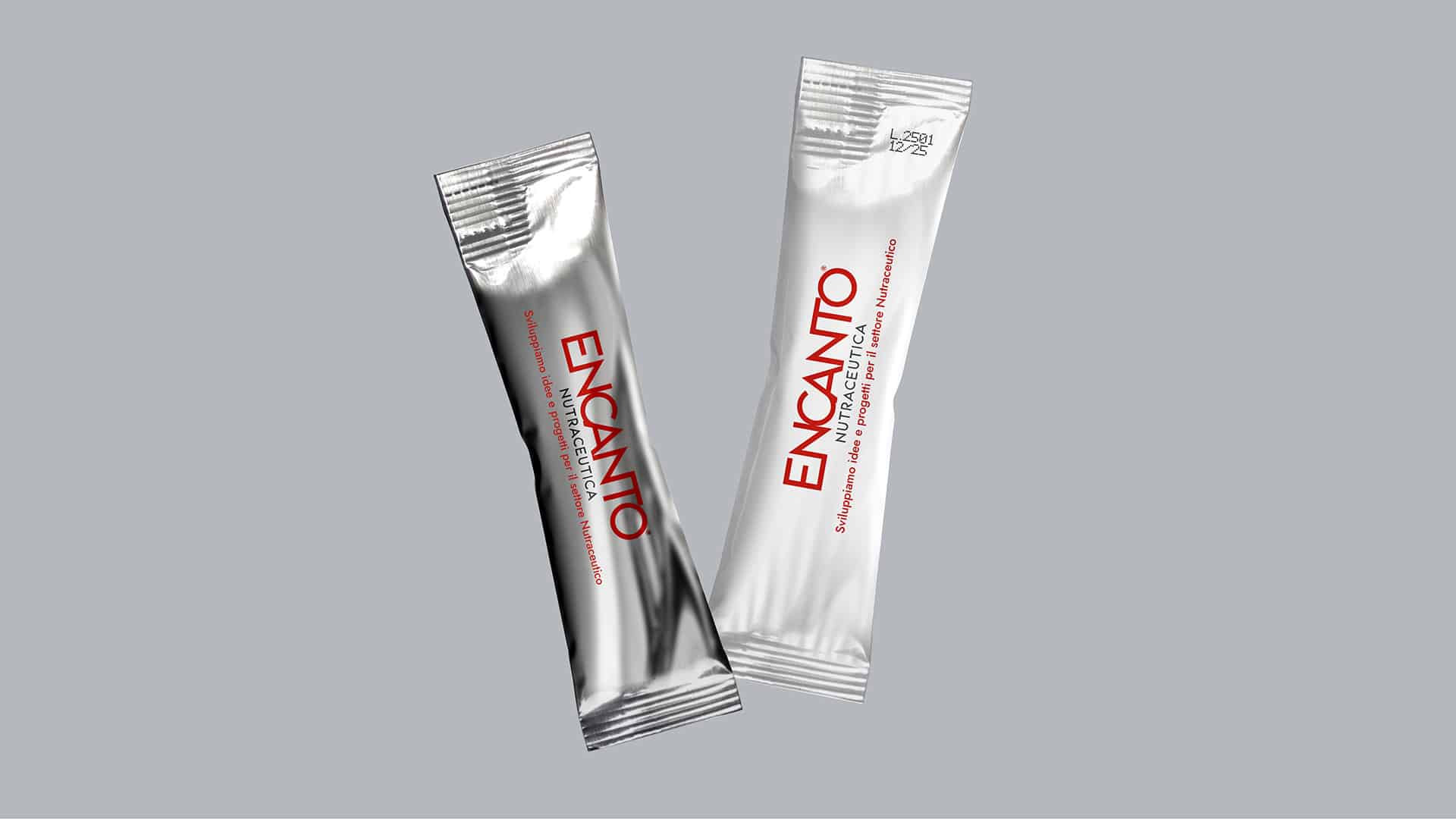
Stick Packs: When the Packaging Is Already Half the Product
The Stick Pack is the fastest-growing nutraceutical format. Portability, single-serve portions, branding, and compliance: why more and more brand owners are choosing it to launch supplements.