

There is one decision that many brand owners in the nutraceutical industry make relatively late in the product development process — a decision that should actually be made almost at the very beginning: the packaging format.
It’s not just a matter of logistics. It’s the first thing the consumer touches—the first physical cue that says, “This is for you,” even before the label has spoken. And among all the available formats, one has risen in popularity in recent years with a consistency rarely seen in the industry: the Stick Pack.
The market has already made its choice
The Stick Pack isn’t a recent innovation—it’s been around for decades in the food and pharmaceutical industries—but its surge in the supplement sector is a phenomenon of recent years, directly linked to a deeper cultural shift: consumers are always on the go. They work, exercise, travel, and want to take their wellness routine with them without having to adapt it to the logistics of a 200-capsule bottle.
The data confirms it: The Stick Pack is among the fastest-growing formats in the on-the-go supplements and sports nutrition segment, with adoption rapidly expanding even into segments traditionally associated with rigid formats — from immunity to beauty from within, from gut health to cognitive support. The single-serve, sealed format — which can be opened without tools and consumed directly — needs no explanation: it speaks for itself in terms of compliance.
Your brand on a Stick Pack isn’t just a label applied to a generic container — it’s a communication system designed around the act of consumption.
Packaging is the first message
Anyone who works in the industry knows that the formula is the heart and soul of the product. But the packaging is its voice. And in the Stick Pack, that voice is clear, direct, and distinctive: the printable surface is proportionally large compared to its small size, the vertical format imposes a precise visual hierarchy, and the act of opening it is a ritual that the consumer repeats every day.
This means that choosing the Stick Pack isn’t just about choosing a container—it’s about choosing how the product looks on the shelf, in a bag, or on the counter. A format that conveys precision and clinical reliability in the pharmacy channel, energy and practicality in the sports channel, and lends itself to premium packaging in the e-commerce channel—justifying a higher average price compared to the traditional format.
What it can contain: Powder, Liquid, Gel
One of the reasons for the Stick Pack’s success is its formulation versatility. A stick ranging from 2 to 12 ml or up to 5–10 g can hold almost any type of formula. For larger volumes, Encanto offers Shaped Pouches (up to 100 ml) or Single-Dose Doypacks (up to 150 ml) — formats that are often generically referred to as “stick packs” in the market, even though they are technically different products.
- Powders and Granules — the most common form. Vitamins, minerals, amino acids, freeze-dried probiotics, energy blends, and hydrolyzed collagen. The powder can be dissolved in water or poured directly into the mouth: two ways to consume it, one format.
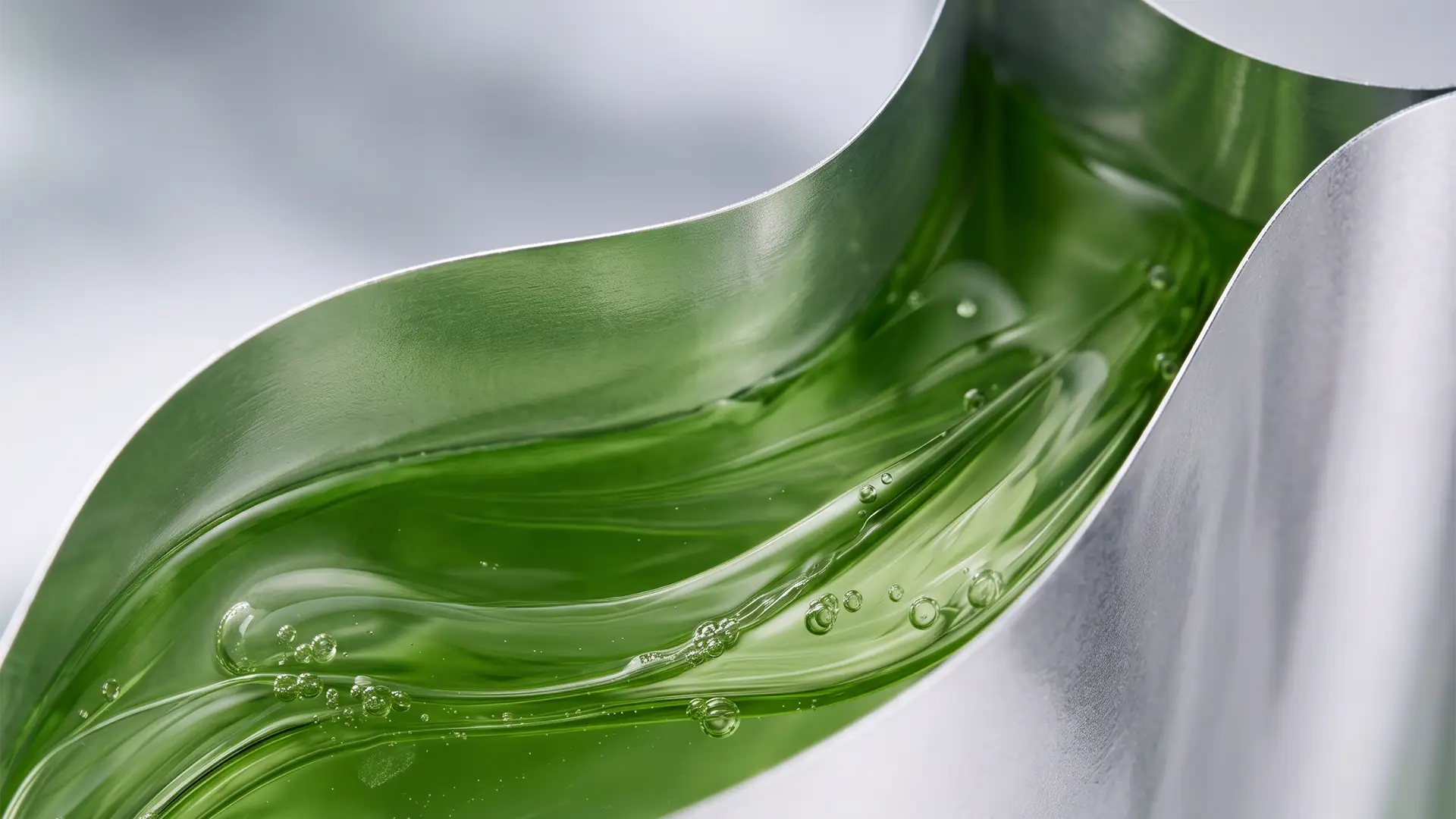
- Liquids and concentrated shots —the fastest-growing format. They offer faster bioavailability than solid forms and maximum flexibility in ingredient selection. Neurose®, the product developed by Encanto Nutraceutica for cognitive support, comes in 10-ml liquid stick packs for this very reason.
- Gels and semi-liquid formulas — ideal for energy sports supplements, high-concentration formulas, and products that require a specific texture to enhance the consumer experience.


Materials
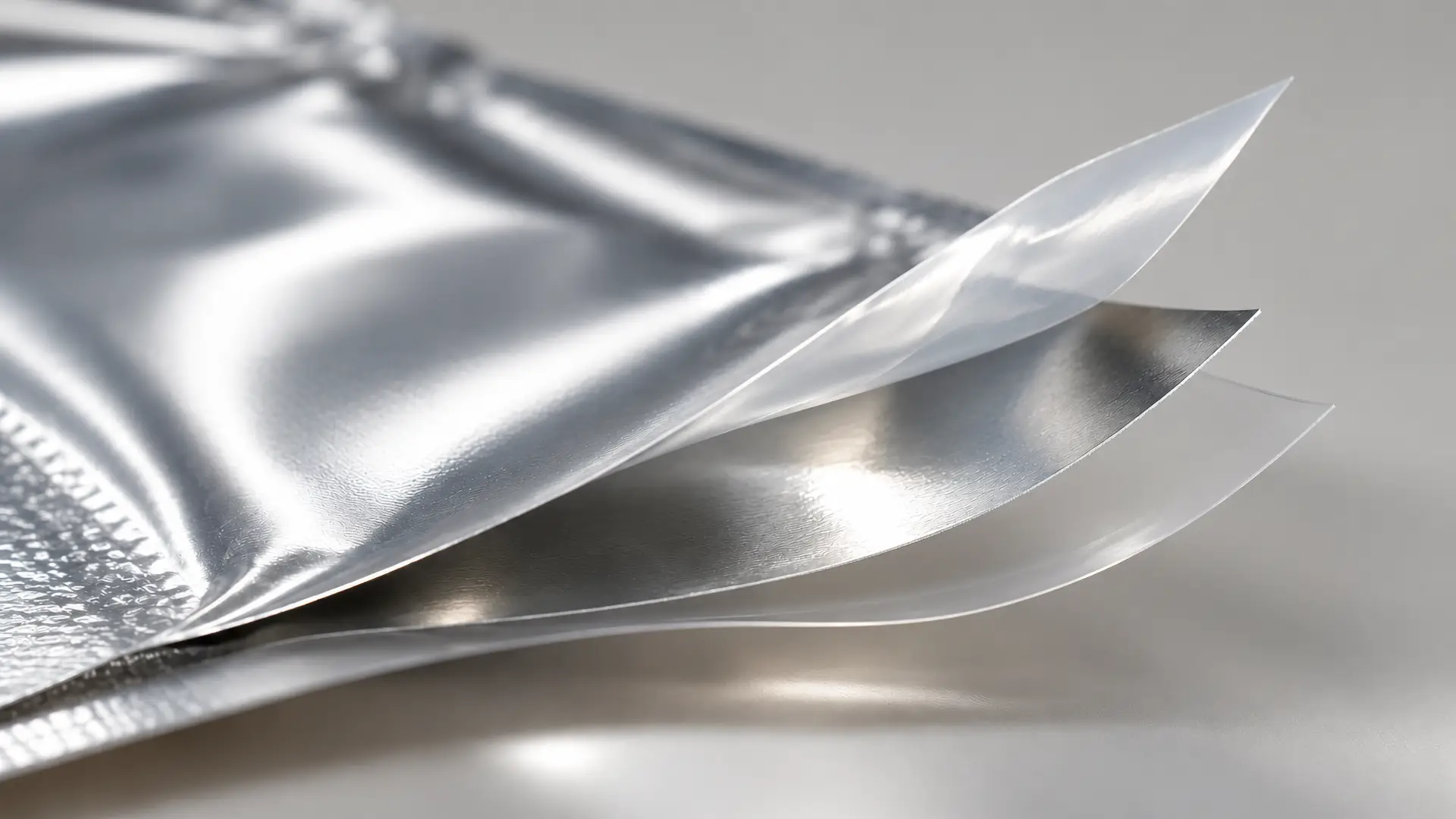
The choice between a monolayer, a multilayer barrier, or an eco-friendly film depends on the sensitivity of the formulation: probiotics, for example, require protection from moisture and oxygen that only a multilayer film can provide.
Sooner or later, the issue of sustainability will also have to be addressed with regard to this material — it has already happened with other food packaging formats, and the Stick Pack will be no exception. A report published in 2026 by the Ellen MacArthur Foundation — co-authored by Mars, PepsiCo, Unilever, and WWF—has called into question an assumption that marketing has been repeating for years: paper is not automatically more sustainable than plastic. Paper packaging can pose real risks — deforestation, high water consumption, and underestimated emissions — if the material is not carefully designed and selected. The recommended approach is not to replace plastic with paper indiscriminately, but to prioritize recycled or next-generation fibers and assess the impact of the entire supply chain.
For those who develop nutraceutical formulations, this boils down to one simple thing: the choice of material cannot be guided solely by which label looks best on the shelf. Barrier performance remains a requirement, not an option — a material perceived as more sustainable but less effective at preserving the product creates a more serious problem than the material itself: a product that spoils before its stated expiration date.
Then there is a less-discussed but growing trend: packaging that communicates beyond the label. QR codes — including dynamic ones — for traceability and authentication, already adopted by some brands in the beauty and sports nutrition sectors to combat counterfeiting, are now making their way into the single-serving supplement segment as well. It’s not yet the standard, but it’s a trend worth keeping an eye on for those who view packaging as a tool for building trust, as well as for containment.
There is also a second reason—less related to marketing and more to regulations — why QR codes are becoming a common tool even on small packaging formats: space. When the available surface area is not sufficient to display the complete environmental labeling — a situation typical of a Stick Pack — the European Packaging Regulation (PPWR) and national environmental labeling regulations allow that information to be provided via a digital tool, typically a QR code that links to the online version of the label. This is not a loophole: it is the solution specifically designed for formats that, due to their size, lack the space to print all the required information.
Technical details on types and materials can be found in the Stick Pack data sheet.
When the Stick Pack Is the Right Choice
It’s not a one-size-fits-all solution — no format is. But there are situations where the Stick Pack is the most logical choice compared to the alternatives:
- Do you want your product to be on the go? — The Stick Pack fits in your purse, suitcase, or gym bag. The 500-capsule bottle won’t.
- The formula is liquid or semi-liquid — Blister packaging is not an option; the doypack is designed for multi-serving sizes. The stick pack is the single-serving format par excellence.
- You have a premium formula and want the packaging to reflect that — a well-designed stick pack can position a product significantly higher than a traditional pouch.
- Your customers need simple compliance — one dose a day, tear off, and you’re done. No measuring spoons, no risk of forgetting how many they’ve already taken.
- Are you planning international distribution? The Stick Pack easily adapts to the various formats required by international distribution channels and retailers.
If you’re working on a new product and considering the packaging format, tell us about the project: the format is developed alongside the formula, not after.

Related Contents
Barrier Packaging: what actually protects a dietary supplement
Oxygen, light, and moisture degrade active ingredients before their expiration date. How materials and packaging act as barriers, and the issue of recyclability.

Sleep Supplements: the category consumers are evaluating
Sleep is the only category in which consumers evaluate the results using a number.

Packaging and Environmental Claims: Who is responsible for What
MASE has clarified the roles regarding PPWR: whoever applies the label is the manufacturer. The Green Claims regulations take effect on September 27. Here’s what to check now.
PPWR and Green Claims 2026: what’s changing for businesses
As of August 12, packaging is a regulated product; as of September 27, environmental claims must be substantiated. What will change with the PPWR and Green Claims in 2026.
Vegan Supplements: why Certification matters more than Claim
There was a time, not many years ago, when the word "Vegan” on a label was enough to set a product apart. Today, that’s no longer the case — at least not on its own.

Private Label vs White Label
Private Label and White Label are often confused. The difference lies in who develops the formula — and this affects the timeline, costs, and exclusivity of your product.

Supplementary animal feeds are serious products. We treat them as such.
The packaging of supplements and complementary feed for pets takes place in a dedicated department, in compliance with EC Reg. 183/2005.

Menopause and Nutraceuticals: functional ingredients for each phase.
Menopause is a physiological transition, not a disease. Marine Collagen, Omega-7, Magnesium, Ashwagandha: the nutraceutical ingredients with the strongest evidence for each symptom.

Adaptogens: the plants that help the body respond to stress
Adaptogens are botanicals that support psychophysical resilience by modulating the HPA axis. Ashwagandha, Gastrodia elata, Rhodiola: mechanisms, evidence, and applications in formulation.

Balsamic Vinegar of Modena PGI: what it means to package it
PGI is not a decorative label. For Balsamic Vinegar of Modena, every step-including packaging-meets precise rules and verifiable controls