

Sleep Supplements: the category consumers are evaluating
Sleep is the only area of well-being where consumers have a way to measure results. People who take a skin supplement evaluate it based on how they feel over the course of several weeks. Those who take a sleep supplement open the app the next morning and read a number.
For product developers, this is a detail that changes the entire approach: the promise must stand up to comparison with a figure the customer already has in hand. And in the meantime, the category is shifting right under the feet of those who oversee it.
Two categories under the same name
The first is sleep aids. This is the traditional category, built around a key ingredient, a single evening dose, and generally occasional use: travel, periods of stress, or a restless night. The benefit is immediate and verifiable, and the product is sold when needed.
The second is recovery. Here, the focus is not on the moment when you fall asleep but on the overall quality of the night: continuity, awakenings, and how you feel the next day. Research in recent months has been moving in this direction, including studies on compounds that act through mechanisms different from Melatonin, such as the gut-brain axis.
This distinction is not merely academic. It affects the dosage, the duration of the treatment, and therefore the frequency of repurchase: a product used occasionally and one intended for a 30-day course do not follow the same sales model, nor do they come in the same format. But above all, it affects what can be written on the label.
Until yesterday, a sleep supplement was meant to help you fall asleep faster. Today, the market demands better sleep: two different promises, two different products.
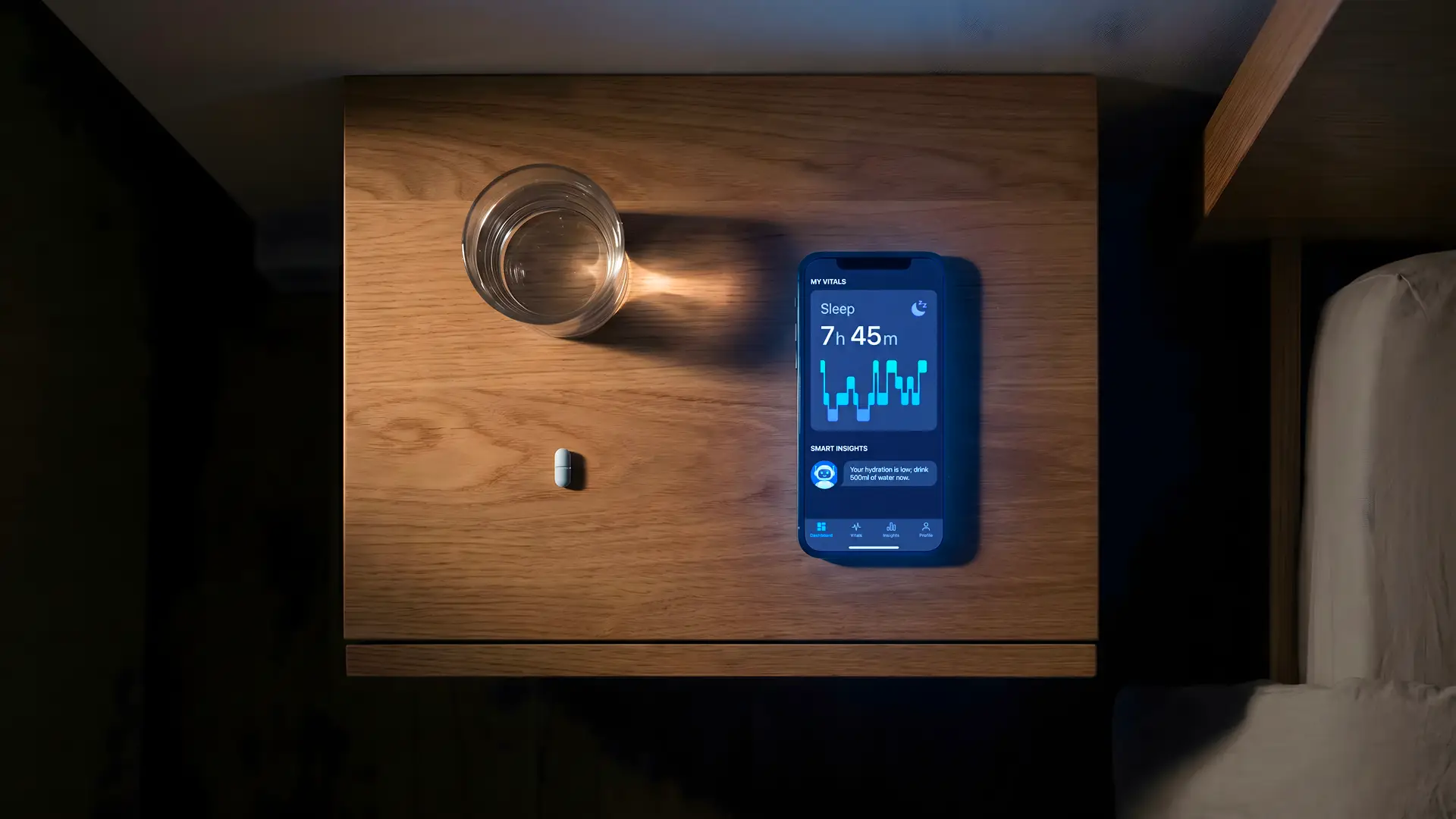

The only authorized claim covers half of the category
Melatonin is the only ingredient in this category with sleep-related indications authorized in Europe. Regulation (EU) No . 432/2012 authorizes two such indications. The first concerns jet lag and is achieved with a minimum dose of 0.5 mg, taken shortly before bedtime on the first day of travel and for a few days after arrival. The second claim underpins the entire category: Melatonin helps reduce the time it takes to fall asleep, provided that the product contains 1 mg per serving and that consumers are informed that the effect is achieved by taking that milligram shortly before bedtime.
It’s worth looking at how we got here, because it explains a lot. The Member States had submitted three effects for evaluation: regulation of the sleep-wake cycle, relaxation, and sleep rhythms. The EFSA panel recognized a cause-and-effect relationship for only one of these—the reduction in sleep latency—and based the entire indication on that finding.
The claim is about how long it takes you to fall asleep—not how well you sleep afterward. And the market is shifting precisely where the official rhetoric doesn’t reach.
This is the crux of the matter for anyone developing a sleep product today. When it comes to falling asleep, there is a well-established claim, a defined dosage, and a broad target population. When it comes to sleep quality—which is the direction in which demand is shifting—support for labeling claims must be sought in botanicals traditionally associated with rest, whose indications remain under the European transitional regime and, in Italy, follow the wording specified in the decree on botanicals. This is not a shortcut; it is a narrower and more cautious framework than what marketing would gladly employ.
In Italy, the claim amount also serves as the cap
There is also a quantity restriction that applies only to the Italian market, and this is the least well-known aspect of the matter. In Note No . 0027074 dated June 24, 2013, the Ministry of Health reassessed the permitted levels of Melatonin in dietary supplements, noting that the milligram required to support the authorized claim should also be considered the maximum permissible intake for physiological purposes. The reason is one of demarcation: on the European market, there are authorized Melatonin-based medicines with daily dosages of 2 mg, and a clear distinction was needed between supporting a bodily function and a therapeutic effect.
The formulation range for this ingredient is a single value, not a range: below 1 milligram, the claim is lost; above it, the product falls outside the category.
The claim is European, but the dose is not
For those looking at foreign markets, this raises a distinction that extends far beyond Melatonin. The claim is harmonized: the same statement, under the same conditions, applies in all twenty-seven Member States. The maximum levels of use for substances other than vitamins and minerals, however, are not harmonized and remain a matter of national jurisdiction. The same product, with the same label, can therefore be fully compliant in one country and non-compliant in another. This is a check that must be performed before finalizing the formula, not after the packaging has been printed.
Side ingredients do not carry the claim
Finally, there is the most common mistake, which concerns the supporting ingredients. Magnesium has authorized claims regarding the normal functioning of the nervous system and normal psychological function, not sleep. Including it in a formula is legitimate and can be substantiated; using it to make a claim about sleep is not. The same reasoning applies to adaptogens used for stress relief, including Ashwagandha: the ingredient’s role in the formula is one thing; the claim on the label is another.
The segments that no on, or almost no one, serves
The category is crowded around the average consumer but virtually empty everywhere else. Here are three concrete examples.
First and foremost, shift workers: those who work at night have a structural—not just occasional—sleep problem and a need for reversed schedules that no mainstream product takes into account. A British startup has just built its initial market positioning around this, which shows just how much uncharted territory this was.
Then there is the female hormonal transition, during which sleep disturbances are among the most commonly reported symptoms and often among the first to appear: this is an area we’ve already addressed when discussing Menopause and Nutraceuticals, and sleep is one of the natural entry points to this topic.
Finally, in sports, rest is just as much a part of recovery as post-workout nutrition, but it is rarely treated as such when designing training programs.
Why format matters more than usual in the evening
A sleep aid is taken at a specific time, often with the lights off, when no one feels like measuring, counting, or dissolving it. It’s the most challenging usage scenario imaginable, and the product’s format must accommodate it.
Hence the shift toward single-dose liquid packaging: the dose is fixed—no measuring, no mistakes—and it takes just one step. For an ingredient with a precise claim threshold, this advantage goes beyond mere convenience. This also explains the packaging designed around a cycle: thirty doses equal thirty evenings, making adherence clear to the consumer and predictable for the manufacturer. The same considerations that apply to the Bioavailability of an active ingredient apply, in this case, to its actual intake: an effective product that you stop taking after ten days produces no results.
Then there’s the issue of who manufactures the product. Melatonin is sensitive to light, and it’s not the only active ingredient that degrades before its stated expiration date if the packaging doesn’t protect it. In the next article, we’ll look at what it means, in practice, to choose barrier packaging.
If you’re considering a sleep-related product and would like to discuss dosages, form, and format with us, please let us know.

Related Contents

Probiotics: what counts is the expiry-date dose
The number of live cells listed on the label must be guaranteed until the expiration date. Water activity, format, and packaging all affect the stability of probiotics.

Barrier Packaging: what actually protects a dietary supplement
Oxygen, light, and moisture degrade active ingredients before their expiration date. How materials and packaging act as barriers, and the issue of recyclability.

Packaging and Environmental Claims: Who is responsible for What
MASE has clarified the roles regarding PPWR: whoever applies the label is the manufacturer. The Green Claims regulations take effect on September 27. Here’s what to check now.

PPWR and Green Claims 2026: what’s changing for businesses
As of August 12, packaging is a regulated product; as of September 27, environmental claims must be substantiated. What will change with the PPWR and Green Claims in 2026.
Vegan Supplements: why Certification matters more than Claim
There was a time, not many years ago, when the word "Vegan” on a label was enough to set a product apart. Today, that’s no longer the case — at least not on its own.
Private Label vs White Label
Private Label and White Label are often confused. The difference lies in who develops the formula — and this affects the timeline, costs, and exclusivity of your product.
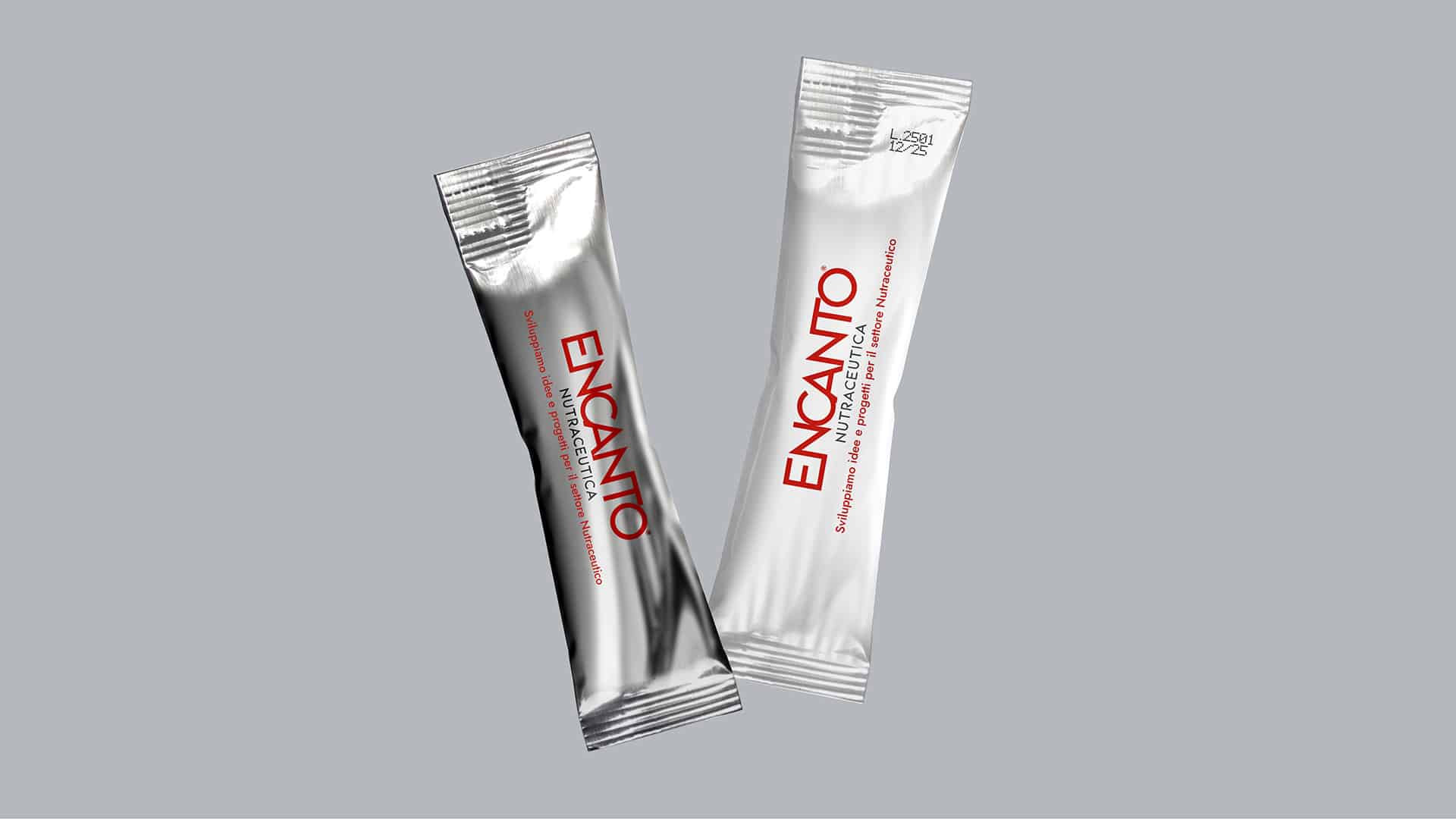
Stick Packs: When the Packaging Is Already Half the Product
The Stick Pack is the fastest-growing nutraceutical format. Portability, single-serve portions, branding, and compliance: why more and more brand owners are choosing it to launch supplements.

Supplementary animal feeds are serious products. We treat them as such.
The packaging of supplements and complementary feed for pets takes place in a dedicated department, in compliance with EC Reg. 183/2005.

Menopause and Nutraceuticals: functional ingredients for each phase.
Menopause is a physiological transition, not a disease. Marine Collagen, Omega-7, Magnesium, Ashwagandha: the nutraceutical ingredients with the strongest evidence for each symptom.

Adaptogens: the plants that help the body respond to stress
Adaptogens are botanicals that support psychophysical resilience by modulating the HPA axis. Ashwagandha, Gastrodia elata, Rhodiola: mechanisms, evidence, and applications in formulation.