

Packaging and Environmental Claims: Who is responsible for What
On August 12, the PPWR took effect. On Sunday, September 27, the new rules on environmental claims will take effect. Between those two dates, many companies have been faced with the same question — often from a supplier or a customer: Who signs the EU Declaration of Conformity for packaging?
In July, we outlined the framework based on the text of the regulation and the decree in our July article. Since then, further guidance has emerged that makes the answer clearer. This is a practical update: what has been clarified, what takes effect now, and what you should check.
The Ministry has drawn up the Role Map
On the very day the PPWR took effect, the Ministry of the Environment and Energy Security (MASE) published a self-assessment tool for companies in the packaging sector. It does not impose any new obligations and is not legal advice: it is a guidance document, based on the regulation, the Commission’s interpretive guide, and the most recent FAQs, to help determine which obligations apply to whom.
The method proceeds in three steps, in this order. First, the company’s role in the supply chain. Then, the function of each individual type of packaging: retail, bulk, shipping, and e-commerce. Only at the end does it address the material. The order is not random: many companies start with the material — “we handle plastic,” “we use laminated materials” — and from there try to determine their obligations. The Ministry recommends the opposite approach.
Anyone who places packaging on the market under their own brand is considered the manufacturer, even if they did not design or produce it.
The document also clarifies a point that is significant in practice: the same company can hold multiple roles simultaneously. Manufacturer, first entity to place the product on the Italian market, packager, distributor—each role entails different responsibilities, and these responsibilities accumulate. The guidelines explicitly advise against stopping at the first positive response and against confusing a purchase from another EU country with an import from a third country. For complex cases, the Ministry recommends a specific technical and legal review.

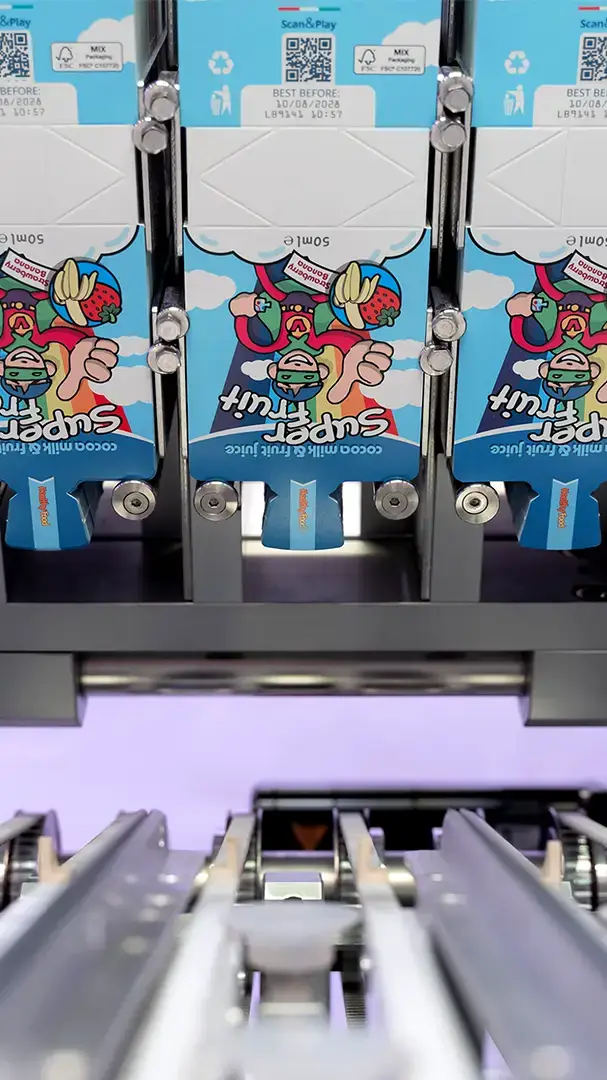
A Manufacturer is someone who applies the Trademark
The most important clarification for those developing a private-label product concerns the role of the manufacturer. Among the roles that the regulation associates with this figure are the legal manufacturer—that is, the entity that places the packaging on the market under its own name or brand—and the private-label owner, who sells products manufactured by third parties under their own brand. In addition to these, there is the party who determines the technical specifications, materials, or relevant characteristics of the packaging.
The most surprising thing is that you don’t need to have designed anything. The European Commission’s FAQs, updated in August, clarify that even someone who chooses standard packaging from a catalog—without modifying its shape or production process—is considered a manufacturer if they have it produced under their own name or brand. It is the brand that matters, not the design. The Ministry outlines the opposite boundary: a standard, plain box bearing only a shipping label does not make the user a manufacturer.
Those who manufacture or package products on behalf of the brand have a different role: Article 16 of the regulation requires them to provide the manufacturer with the information and documentation regarding materials, components, and compliance necessary to draw up the EU Declaration of Conformity.
For a brand owner working in the private label sector, the implication is clear: the EU Declaration of Conformity and the technical documentation are the brand owner’s responsibility. The manufacturing partner does not replace the brand owner; rather, it makes this possible.
The tool also suggests where to specify this division of responsibilities: in the contract with the manufacturer or subcontractor, by establishing who prepares the documents, who updates the data, and who is responsible for making changes. This is a provision that many supply agreements today do not include.
A clarification for smaller businesses: the regulation does not provide for blanket exemptions for micro-enterprises, but in specific cases, the manufacturer’s obligations may fall on the packaging supplier. The Ministry advises reviewing each individual case, and this should be done before assuming one solution or the other.
This is the same breakdown we described in July, based on the regulations. Now there is an official statement confirming this. For those who manufacture for third parties, like us, the task remains the same as always, with an added responsibility for clarity: to provide specifications, technical data, and evidence regarding the materials so that the client can base their declaration on this information.
Starting september 27, Environmental Claims must be substantiated
The amendments to the Consumer Code introduced by Legislative Decree 30/2026 apply. Unsubstantiated generic environmental claims, sustainability labels not based on a recognized certification system or a public regulation, and climate neutrality based solely on offsetting are now considered unfair commercial practices.The AGCM is responsible for enforcement.
One detail worth keeping in mind: for the purposes of environmental claims, the regulation defines these as any message—not just words. This also includes images, symbols, logos, and product names that suggest an environmental benefit. The review, therefore, goes beyond the text on the label: it covers the packaging design, the website, product descriptions, and marketing materials.
Each Country decides what goes on the label through 2028
There is also a third aspect, distinct from the claims: the mandatory information on packaging disposal. The harmonized European label required by the PPWR will not take effect until August 12, 2028. Until then, national rules remain in effect, and exporters must comply with the regulations of each destination country: in France, the Triman logo with sorting instructions; in Spain, the requirements of Royal Decree 1055/2022, updated by an interpretive note issued in March.
Between July and August, CONAI updated its informational notes on France and Spain and on the Punto Verde label: the National Packaging Consortium does not hold the license to use it, so an Italian company may affix it only if the company itself or the importer has a contract with the Punto Verde system in the destination country. This is a topic that deserves a separate in-depth discussion, especially regarding small package sizes, and we’ll revisit it.
What to Check Now
Three checks, in order of urgency.
- Claims, by saturday, September 26, 2026.
An inventory of all environmental claims visible to the consumer, both on and off the packaging: for each one, the evidence supporting it. - The Role, for each Product.
Who is the manufacturer, who is the supplier, and who places the product on the Italian market: as stated in documents and contracts. - The Evidence along the Supply Chain.
Declarations of conformity for materials in contact with food and the technical documentation required for the EU Declaration of Conformity: who provides them, to whom, and when they are updated.
None of these checks are performed later on, on the finished product. They are established during the development phase, when the format and materials are still being decided.
If you’re developing a product and want to establish the format, materials, and documentation from the very beginning, talk to us.

Related Contents

Barrier Packaging: what actually protects a dietary supplement
Oxygen, light, and moisture degrade active ingredients before their expiration date. How materials and packaging act as barriers, and the issue of recyclability.

Sleep Supplements: the category consumers are evaluating
Sleep is the only category in which consumers evaluate the results using a number.

PPWR and Green Claims 2026: what’s changing for businesses
As of August 12, packaging is a regulated product; as of September 27, environmental claims must be substantiated. What will change with the PPWR and Green Claims in 2026.
Vegan Supplements: why Certification matters more than Claim
There was a time, not many years ago, when the word "Vegan” on a label was enough to set a product apart. Today, that’s no longer the case — at least not on its own.

Private Label vs White Label
Private Label and White Label are often confused. The difference lies in who develops the formula — and this affects the timeline, costs, and exclusivity of your product.
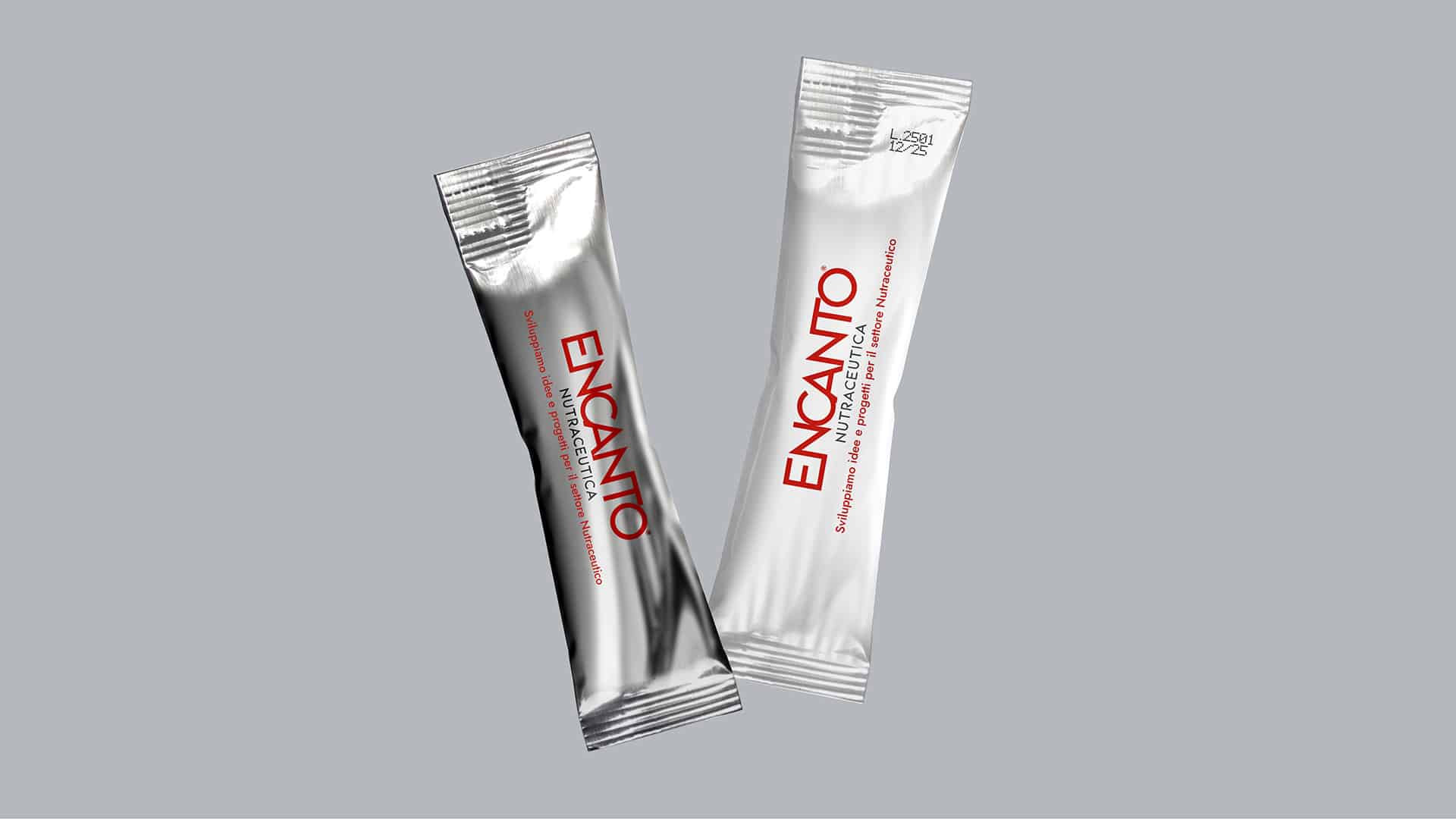
Stick Packs: When the Packaging Is Already Half the Product
The Stick Pack is the fastest-growing nutraceutical format. Portability, single-serve portions, branding, and compliance: why more and more brand owners are choosing it to launch supplements.

Supplementary animal feeds are serious products. We treat them as such.
The packaging of supplements and complementary feed for pets takes place in a dedicated department, in compliance with EC Reg. 183/2005.

Menopause and Nutraceuticals: functional ingredients for each phase.
Menopause is a physiological transition, not a disease. Marine Collagen, Omega-7, Magnesium, Ashwagandha: the nutraceutical ingredients with the strongest evidence for each symptom.

Adaptogens: the plants that help the body respond to stress
Adaptogens are botanicals that support psychophysical resilience by modulating the HPA axis. Ashwagandha, Gastrodia elata, Rhodiola: mechanisms, evidence, and applications in formulation.

Balsamic Vinegar of Modena PGI: what it means to package it
PGI is not a decorative label. For Balsamic Vinegar of Modena, every step-including packaging-meets precise rules and verifiable controls