

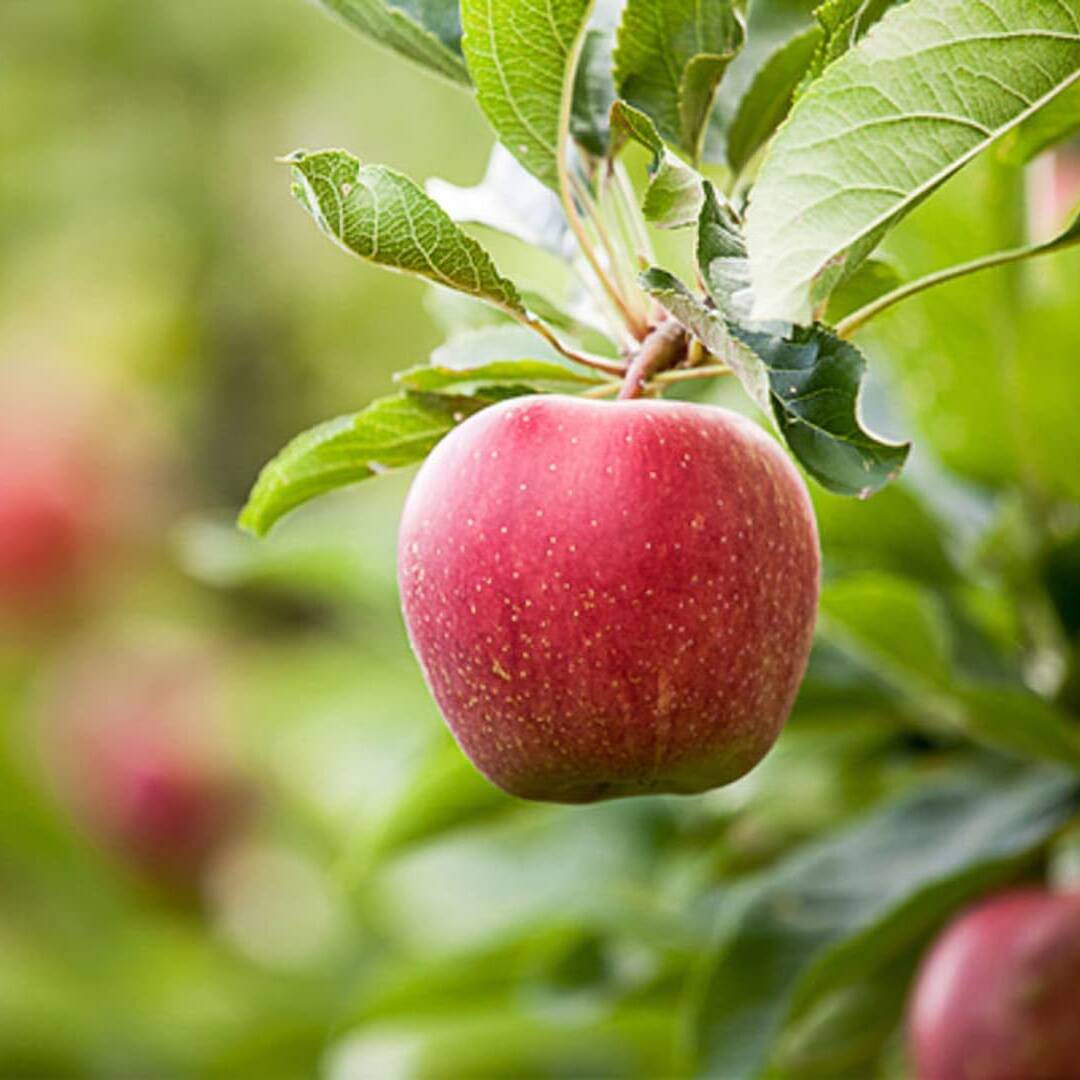
Mela Annurca Campana Igp
Mela Annurca
Mela Annurca (Malus pumila Miller cultivar Annurca), native to Campania, is known for its unique profile of Polyphenols and Flavonoids, particularly Procyanidin B2. It is an increasingly used nutraceutical ingredient for its positive effects on Hair, Cholesterol and Cellular Wellbeing. Here are the main benefits of taking Mela Annurca extract:
Hair Strengthening and Growth
Stimulates hair regrowth and improves hair density and diameter. Increases the production of keratin, the hair’s main structural protein. Counteracts weakening and hair loss, even in times of stress or after drug treatments.
Cholesterol Control
It helps reduce LDL (bad) cholesterol and increase HDL (good) cholesterol. Acts similarly to natural statins, without liver or muscle side effects.
Antioxidant and Anti-Aging Action
Rich in polyphenols that neutralize free radicals and protect cells from oxidative stress. Useful in delaying cellular aging processes, especially at the skin and vascular level.
Supporto Metabolico e Cognitivo
May contribute to the improvement of mitochondrial function and memory. Promotes neurological well-being in old age.
As always, it is important to consult a health care professional before starting any new supplement or treatment. Mela Annurca or its natural extract is well tolerated even in prolonged treatments, with no known side effects.

Related Contents
Dried Fruits vs. Dehydrated Fruits: see the Differences!
Dried fruits and dehydrated fruits are two types of health foods, but they have some significant differences in both the production process and nutritional characteristics. Here are their main…
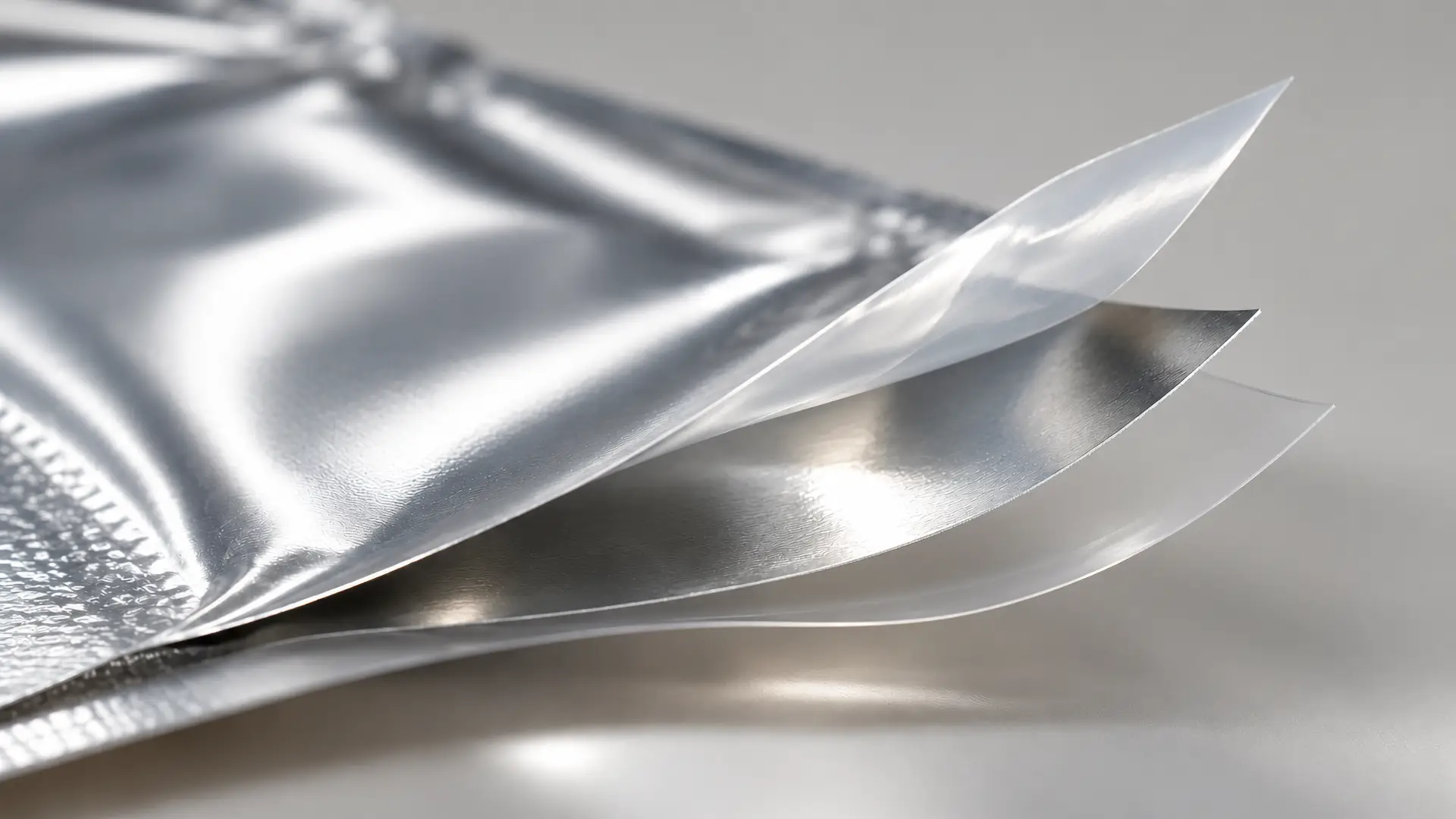
Barrier Packaging: what actually protects a dietary supplement
Oxygen, light, and moisture degrade active ingredients before their expiration date. How materials and packaging act as barriers, and the issue of recyclability.

Sleep Supplements: the category consumers are evaluating
Sleep is the only category in which consumers evaluate the results using a number.

Packaging and Environmental Claims: Who is responsible for What
MASE has clarified the roles regarding PPWR: whoever applies the label is the manufacturer. The Green Claims regulations take effect on September 27. Here’s what to check now.

Carbo Gel 2:1: how Yamamoto launched the new Sport line with Encanto Nutraceutical, from formula to packaging.
Yamamoto entrusted Encanto Nutraceutical with the development of Carbo Gel 2:1 in a non-dispersible Doypack. The case study of the launch of the Sport line.

Gourmet Glaze with Balsamic Vinegar of Modena PGI in a packet: how Acetum is bringing Mazzetti l’Originale to the US market.
Encanto packages Mazzetti l'Originale glaze in sachets and Aceto Balsamico di Modena IGP for Acetum. CSQA-certified co-packing, in the production area.

The 40g Gel: the Benchmark has been set. Producing it is another story.
40 grams of carbohydrates per gel has become the new standard in the endurance segment. What this means for formulators and distributors in Europe: ingredients, ratios, and EFSA regulations.