

Postbiotics
Postbiotics are the newest member of the biotics family. The consensus definition was formalized in 2021 by the ISAPP (International Scientific Association for Probiotics and Prebiotics): a postbiotic is «a preparation of non-viable microorganisms and/or their components that confers a health benefit to the host». This definition has clarified a previously fragmented terminological landscape — metabiotics, biogenics, supernatants — by bringing together under a single term a diverse family of compounds with distinct characteristics and mechanisms of action.
Unlike Probiotics, which are live microorganisms, and Prebiotics, which are substrates that promote their growth, Postbiotics do not contain viable microorganisms. They are the result of the fermentation process — what bacteria produce or release during their metabolic activity — or preparations of inactivated bacteria with their cell structures intact. This characteristic has relevant practical implications: postbiotics are inherently more stable than probiotics, do not require the same storage conditions, and are not subject to loss of viability during gastrointestinal transit.
The main classes of Postbiotics
The Postbiotic family includes compounds that are very diverse in structure and origin. The main classes identified by research are:
- Short Chain Fatty Acids (SCFA) — butyrate, propionate, and acetate, produced by bacterial fermentation of fiber in the colon. Butyrate is the primary energy source of colonocytes and plays a central role in maintaining intestinal barrier integrity and modulating the local inflammatory response. Propionate is involved in the regulation of hepatic blood glucose. Acetate participates in peripheral metabolism. SCFAs are the most studied Postbiotics with the strongest evidence.
- Bacterial Lysates — preparations obtained by controlled lysis of bacterial cells, which release structural components and intracellular metabolites. They retain the ability to interact with the intestinal immune system without requiring the viability of microorganisms. Used in formulations for immune support.
- Bioactive Peptides — protein fragments produced by bacterial fermentation or enzymatic hydrolysis of food proteins by bacteria. They can exert antimicrobial, antioxidant and immunomodulatory effects.
- Exopolysaccharides (EPS) — carbohydrate polymers secreted by bacteria into the extracellular matrix. They contribute to modulation of the microbiota and stimulation of the mucosal immune response.
- Bacterial Enzymes — Produced by microbial metabolism, they can support the digestion and absorption of specific nutrients.
- Components of the Bacterial Cell Wall — fragments of peptidoglycan, lipoteichoic acid, and other structural that interact with receptors of the innate immune system (TLR2, TLR4, NOD2), modulating the inflammatory response.
- Whole Inactivated Microorganisms — bacterial cells rendered non — viable through heat, irradiation or other physical processes, which retain intact surface structures and the ability to interact with the immune system. An established example is heat-inactivated Lactobacillus acidophilus.
Probiotics, the starting point
To understand Postbiotics, it is useful to start with Probiotics. When Probiotics metabolize Prebiotics in the gut, they produce a series of bioactive compounds — the SCFAs, peptides, enzymes — that are Postbiotics in endogenous form. Research in recent years has shown that many of the benefits traditionally attributed to Probiotics are actually mediated by these metabolites. Postbiotics thus represent an evolutionary perspective: instead of administering the bacteria and waiting for them to produce the beneficial compounds, they are administered directly.
Mechanism of action
Postbiotics act through multiple mechanisms depending on the class of compounds under consideration:
- Intestinal Barrier Support — SCFAs, particularly butyrate, strengthen tight junctions between colonic epithelial cells, reducing intestinal permeability. Acetate, propionate, and butyrate in combination have been shown to increase transepithelial resistance and counteract the effects of pro-inflammatory factors on the mucosa.
- Immune Modulation — Bacterial structural components (peptidoglycans, lipoteichoic acid, LPS from selected strains) interact with pattern recognition receptors (PRRs) of the innate immune system, modulating the balance between pro-inflammatory response and tolerance. This mechanism underlies the interest in Postbiotics in immune support.
- Metabolic Effects — Succinate, a product of bacterial fermentation, is a substrate of intestinal gluconeogenesis and contributes to glycemic control. Propionate participates in the regulation of hepatic lipid synthesis.
- Gut-Brain Axis — SCFAs and other postbiotic metabolites interact with the enteric nervous system and enteroendocrine cells that produce neurotransmitters such as serotonin, opening perspectives on the impact of postbiotics on mental well-being and mood.
Prebiotics and Fiber: the substrate of endogenous production
Endogenous Postbiotics —those produced naturally in the gut — depend on the availability of fermentable substrates. Prebiotics and Fibers such as inulin, FOS, and Beta-glucan are the main substrates from which colon bacteria produce SCFAs. An adequate intake of dietary fiber is therefore a necessary condition for optimal endogenous production of Postbiotics. Direct supplementation with postbiotics complements this pathway; it is not a substitute for it.
The practical advantages in formulation
Formulation-wise, Postbiotics offer significant technical advantages over Probiotics:
- Stability — do not require cold chain and maintain their biological activity at room temperature for extended periods. Compatible with production processes that would be destructive to live microorganisms.
- Gastrointestinal Transit Resistance — they must not pass the gastric acid barrier and bile salts alive. They reach the intestines in the form in which they were formulated.
- Reproducibility of Biological Profile — unlike Probiotics, where activity depends on the viability of the strain at the time of intake, Postbiotics have a defined compositional profile that is reproducible from batch to batch.
- Compatibility with Antibiotics — Postbiotics are not inactivated by antibiotic therapy, unlike live Probiotics. They can be taken at the same time as an antibiotic course without losing efficacy.
Forms available for formulation include lyophilized powders, standardized extracts, lysates in liquid or dried form, and butyrate in salt (sodium butyrate) or microencapsulated form to improve palatability and release in the lower intestinal tract.
The regulatory framework: an evolving term
The term “postbiotic” does not yet have a defined regulatory status in the European Union. The ISAPP 2021 definition is a scientific reference, not a regulatory one. In practice, individual compounds classifiable as Postbiotics — sodium butyrate, bacterial lysates, standardized fermented extracts — are regulated as specific ingredients, each with its own authorization process. Some require the Novel Food procedure under EU Reg. 2015/2283 if they have no established history of use in the EU prior to 1997.
EFSA has not approved specific health claims for the “postbiotic” category. The claims that can be used depend on the specific compound and the evidence available for that ingredient in that dosage.
Postbiotics are generally considered safe for the healthy adult population. Some formulations based on inactivated bacterial components may not be suitable for severely immunocompromised individuals: in these cases, discussion with the treating physician is appropriate. For butyrate-based formulations, it is advisable to start with low doses to assess individual tolerance.
Always remember that it is important to consult a health care professional before starting any new supplement or treatment.

Sofia
My name is Sofia, I am a Blogger, and I publish posts about dietary supplements, including their health benefits, recommended uses, potential interactions, and side effects. To report any inaccuracies, errors, or simple typos, you can write to me at redazione@encanto.it.
Related Contents
Prebiotics
Prebiotics and Fiber selectively feed beneficial bacteria in the Gut Microbiota. Inulin, FOS, GOS, Beta-glucan: types, mechanism of action, and EFSA claims.
Probiotics
Probiotics are live microorganisms that promote the balance of the intestinal microbiota. Genera, major strains, mechanism of action, and forms for formulation.
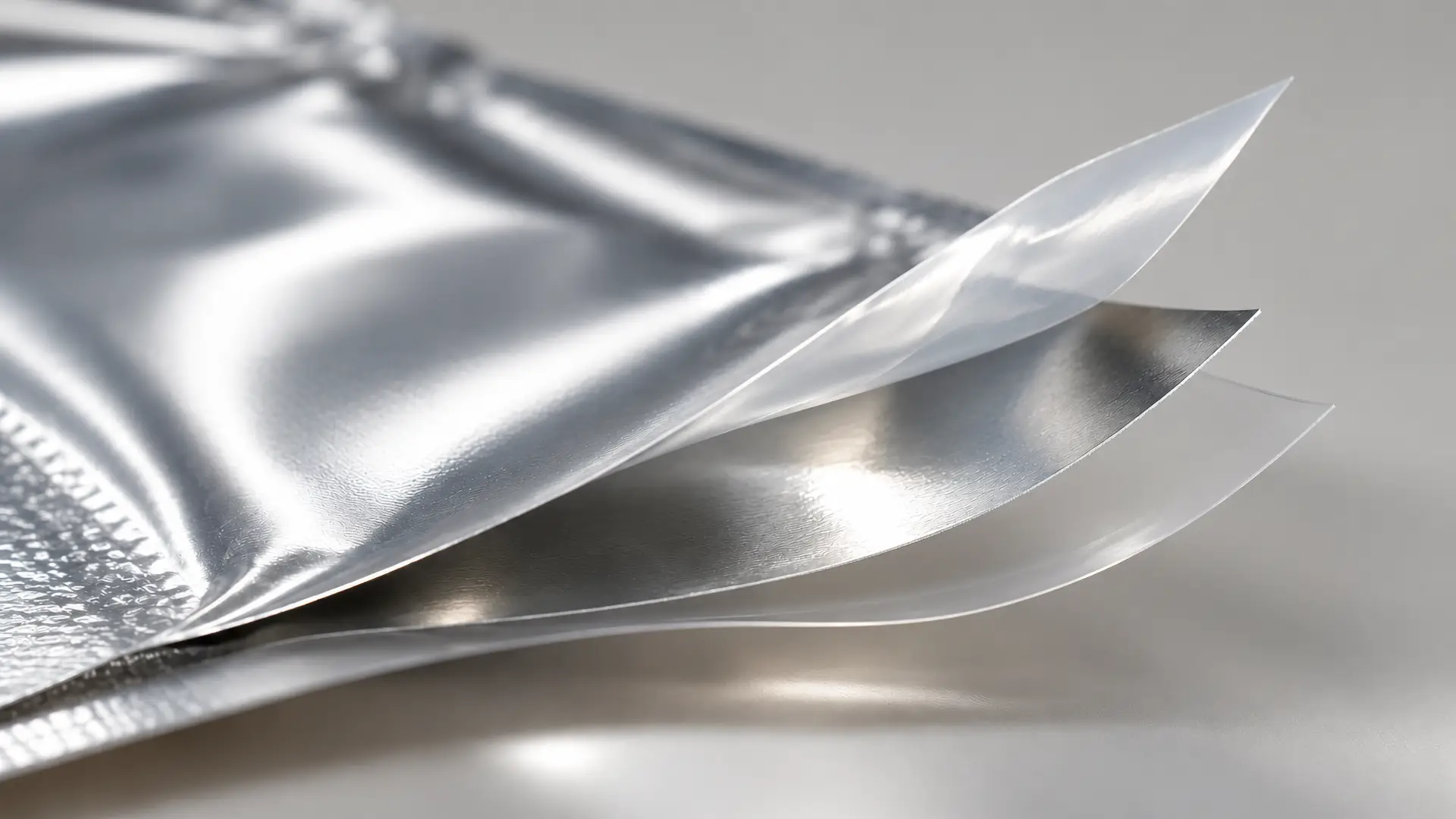
Barrier Packaging: what actually protects a dietary supplement
Oxygen, light, and moisture degrade active ingredients before their expiration date. How materials and packaging act as barriers, and the issue of recyclability.
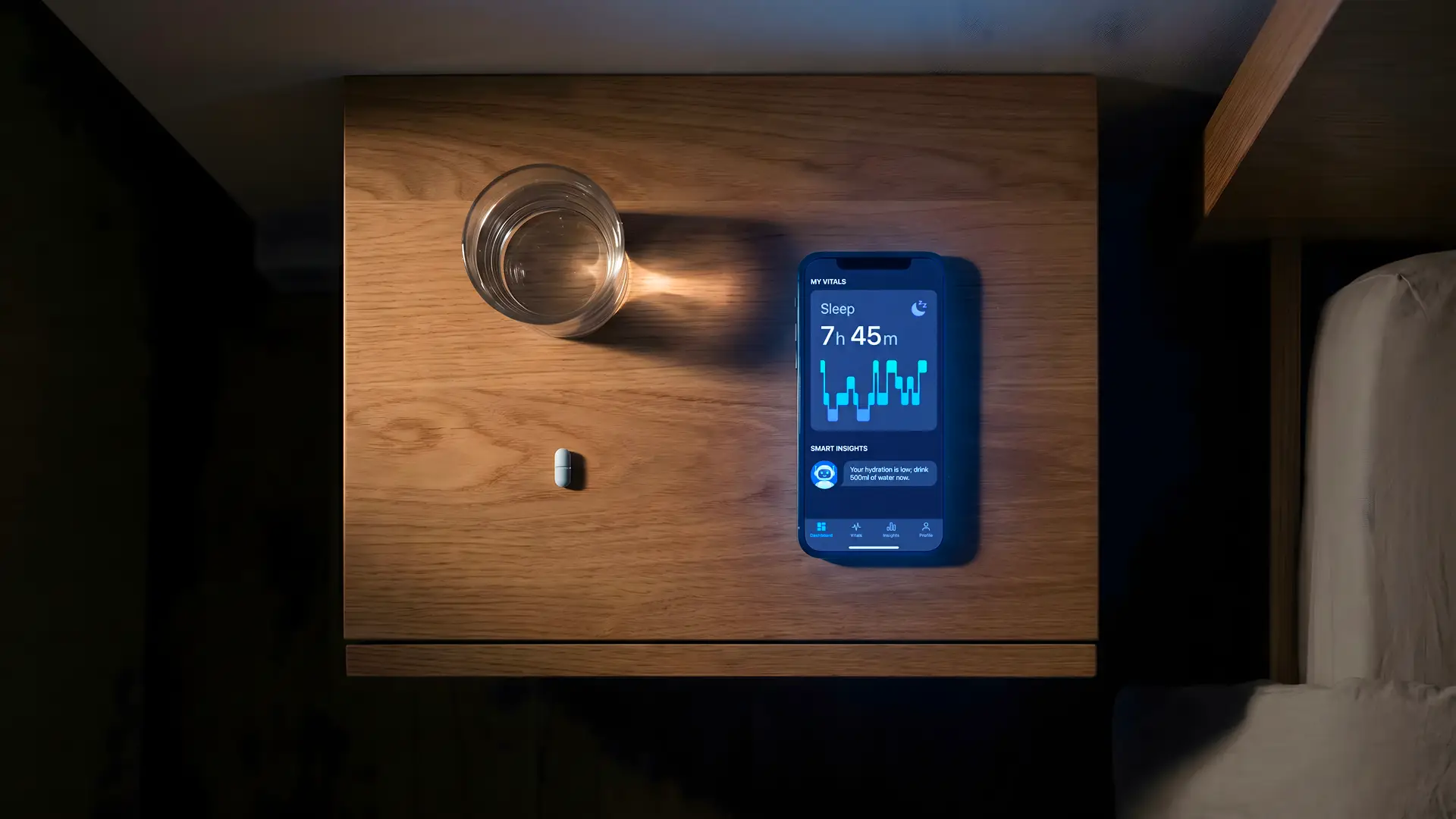
Sleep Supplements: the category consumers are evaluating
Sleep is the only category in which consumers evaluate the results using a number.

Packaging and Environmental Claims: Who is responsible for What
MASE has clarified the roles regarding PPWR: whoever applies the label is the manufacturer. The Green Claims regulations take effect on September 27. Here’s what to check now.

Carbo Gel 2:1: how Yamamoto launched the new Sport line with Encanto Nutraceutical, from formula to packaging.
Yamamoto entrusted Encanto Nutraceutical with the development of Carbo Gel 2:1 in a non-dispersible Doypack. The case study of the launch of the Sport line.

Gourmet Glaze with Balsamic Vinegar of Modena PGI in a packet: how Acetum is bringing Mazzetti l’Originale to the US market.
Encanto packages Mazzetti l'Originale glaze in sachets and Aceto Balsamico di Modena IGP for Acetum. CSQA-certified co-packing, in the production area.
Carbohydrates
Carbohydrates are the body’s primary source of energy. Simple, complex, and dietary fiber: classification, glycemic index, and role in functional supplements.
Antioxidants
Antioxidants are molecules that counteract free radicals and oxidative stress. Classification, mechanisms, dietary sources, and key ingredients in supplements.