

Probiotics: what counts is the expiry-date dose
A probiotic supplement lists a number of live cells on its label. That number does not describe the product on the day it was packaged; it describes what the product must still contain on the day it is taken, up until the last day of its shelf life. Months, sometimes years, pass between those two points, and the microorganisms continue to age.
For this reason, with Probiotics, stability is not a post-production quality control measure. It is a design requirement, and it involves the formula, form, and packaging all together.

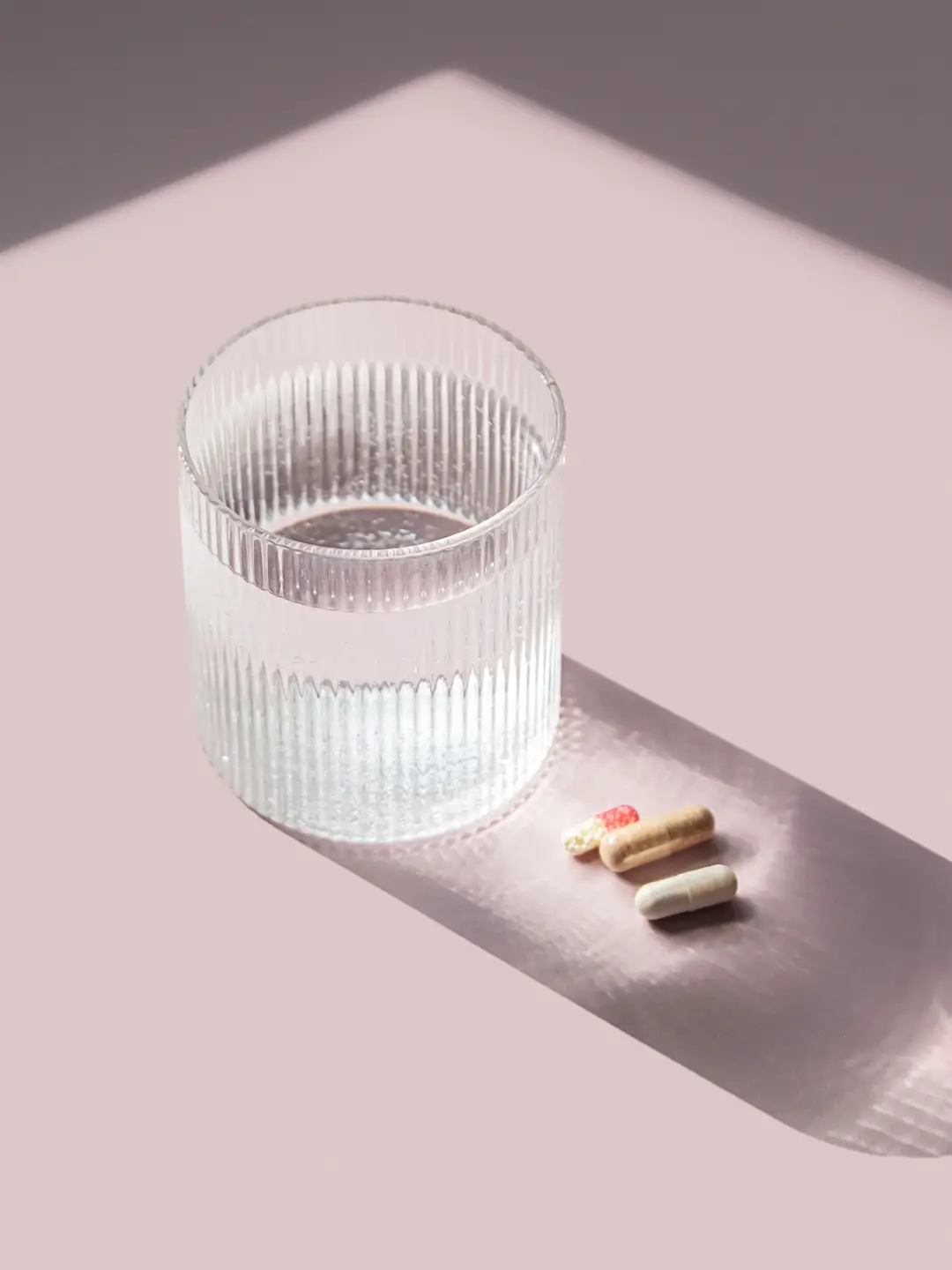
The number that matters is the one at maturity
In Italy, the Ministry of Health’s guidelines on Probiotics and Prebiotics (revised in March 2018) serve as the reference. The recommended daily serving must contain at least one billion live cells from at least one of the strains present. The number of live cells must be indicated on the label for each strain and guaranteed until the end of the shelf life, under the recommended storage conditions, with a permitted uncertainty of 0.5 logarithms.
The technical literature supports this view: the stated dose must be guaranteed to the consumer even on the last day before the expiration date, not just at the time of batch release (Fenster et al., 2019).
The practical consequence is overage: the formulation includes a higher number of cells than stated to compensate for expected losses during storage and distribution. But overage is not a standard percentage to be applied arbitrarily. It depends on the strain, the formulation, the format, and the material: it is determined through stability studies on the finished product under real-world conditions.
The first enemy is water
In dry products — Powders, Capsules, and Tablets — Probiotics are freeze-dried: they are alive but in a dormant state that persists as long as they remain dry. The parameter that measures this is water activity (aw), which is the proportion of free water available for biological reactions and processes.
According to the same review, published in Microorganisms, water activity — followed by storage temperature — is the factor that most significantly affects the stability of a probiotic supplement. The recommended target is an overall value below 0.2, and ideally below 0.15 for long shelf lives.
Next is temperature: for the same formulation, storage at room temperature accelerates the loss of viability compared to refrigeration. And for some strains, oxygen is also a factor: bifidobacteria, unlike many lactobacilli, do not tolerate it well.
A freeze-dried product isn’t afraid of time — it’s afraid of water. Time is simply how long it takes for water to reach it.
The formula itself is already a choice for stability
The strain does not exist in isolation within the Capsules or Sachets. Every other ingredient brings its own water content, which can raise the aw of the entire mixture. Some plant-based ingredients rich in Polyphenols may have Antimicrobial effects; reactive Vitamins and Minerals can reduce stability. For this reason, in multi-active formulas, the compatibility between the Probiotic and other components must be verified beforehand, not discovered afterward.
Excipients matter, too: carriers and fillers with low water activity contribute to protection, not just volume. And this is also where the combination with Prebiotics comes into play: adding fiber to a probiotic formula makes functional sense, but the fiber must also be selected and evaluated based on its moisture content.
The size determines how much water is dispensed
The same strain, in the same formulation, behaves differently depending on the format.
- Sealed single-dose package (sachet, stick pack). Each dose remains sealed until use: the package is opened only once. Thanks to a multilayer aluminum barrier, moisture and oxygen ingress are minimized throughout the shelf life.
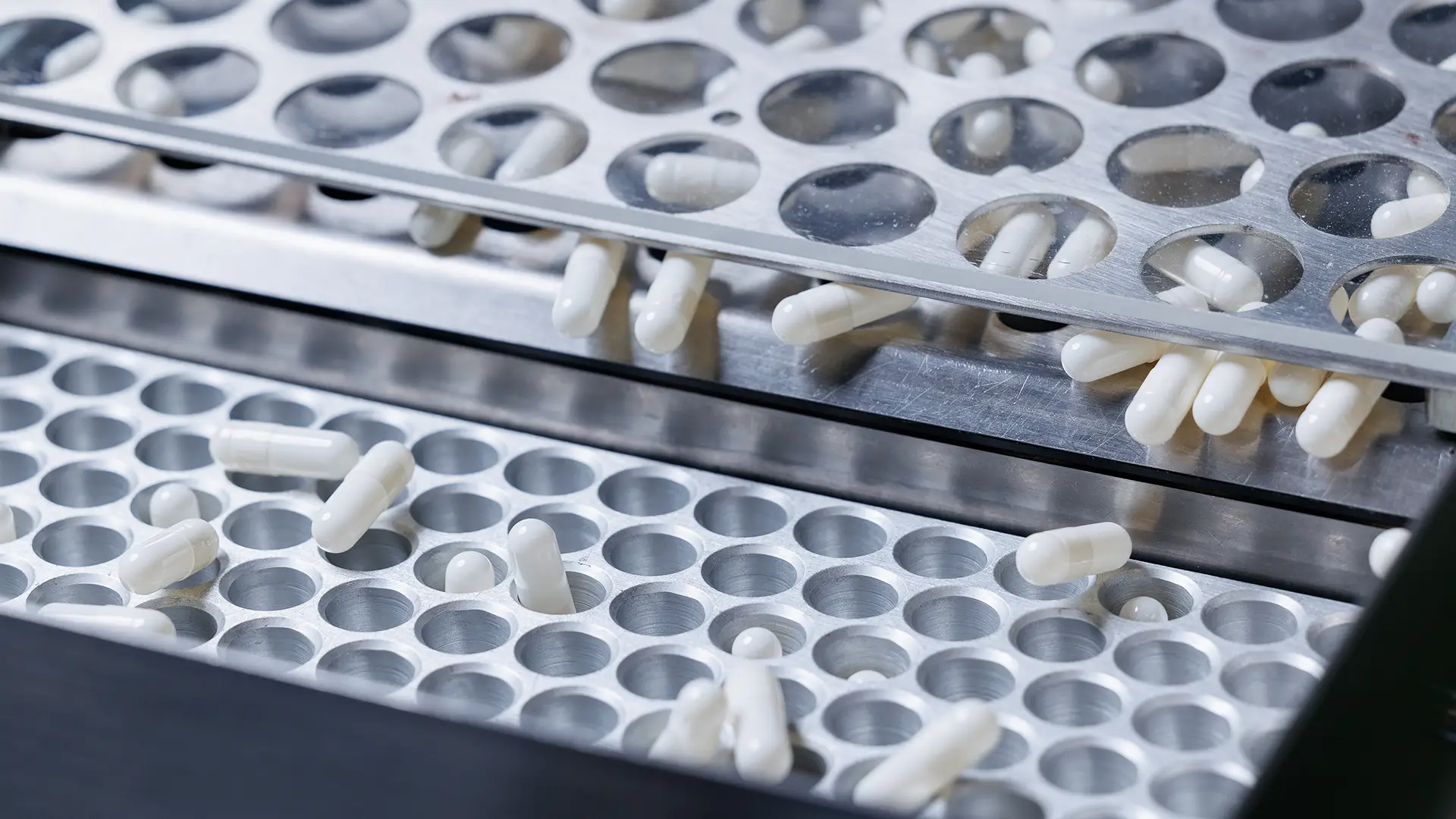
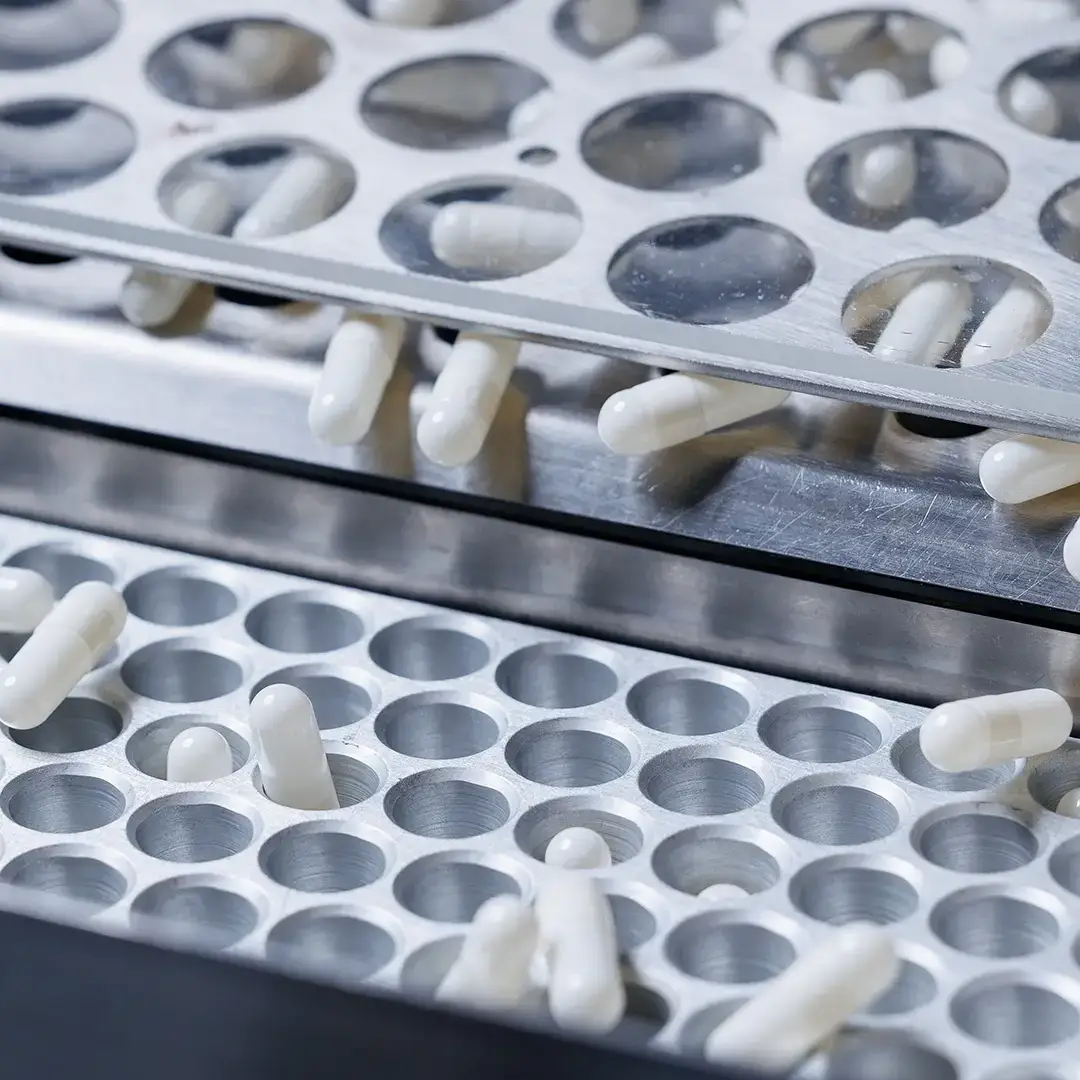
- Capsules: The shell matters. A capsule is not a neutral container: its shell contains water and exchanges it with the contents. A hard gelatin capsule typically contains 13–16% moisture, while an HPMC capsule contains 4.5–6.5% (Magramane et al., 2025). For a moisture-sensitive filling such as a freeze-dried probiotic, HPMC has the advantage; it is also a vegetable-based capsule, compatible with a vegan product.
- Blister-Packed Capsules. Each Capsule remains sealed in its own blister compartment until ready for use, like a single-dose package. However, the level of protection depends on the material: the ALU-ALU Blister pack provides a complete barrier, while the PVC-ALU pack provides a moderate barrier, because the PVC compartment allows moisture and oxygen to pass through.
- Capsules or Powders in Bottles. Each time the bottle is opened, all remaining doses are exposed to room air. A material with low water vapor permeability, a reliable seal, and, as a rule, a desiccant are required. The cited review expressly advises against PET bottles, which are too permeable to moisture compared to HDPE.
- Tablets. The compression pressure reduces viability to an extent that depends on the strain and the formulation: the process is carried out using the minimum force compatible with the tablet’s strength.
- Liquids. In a liquid, the microorganisms are no longer dormant, and the pH and acidity of the matrix work against them. Without refrigeration, viability does not last long: solutions at room temperature keep the probiotic separate from the liquid until the moment of use, for example, in a reservoir cap.
Therefore, the size isn’t chosen solely for convenience or shelf appeal. It’s also chosen based on how much water remains until the very last serving in the package.
Stable in its packaging, alive in the intestine
The shelf life is only half the journey. After ingestion, the microorganisms must pass through the stomach, where acidity and bile salts drastically reduce their numbers. This is where gastro-resistant, delayed-release, or enteric-coated capsules come into play: they remain intact in the acidic environment and open later, in the intestine.
An in vitro study using a model of the upper gastrointestinal tract, funded by a company in the industry, compared probiotic preparations in four formats: liquid, powder, standard Capsules, and delayed-release Capsules. Only the delayed-release capsule format delivered a significant proportion of viable cells to the end of the small intestine; the other formats lost nearly all of them. The authors also note that Bifidobacteria are more affected by transit than Lactobacilli (Govaert et al., 2024).
Gastric resistance is not always necessary: some strains tolerate gastric acidity well, and the choice depends on the strain. But this is another decision made during the development phase, and it links the formulation to the dose that actually reaches the target site.
The packaging completes the system
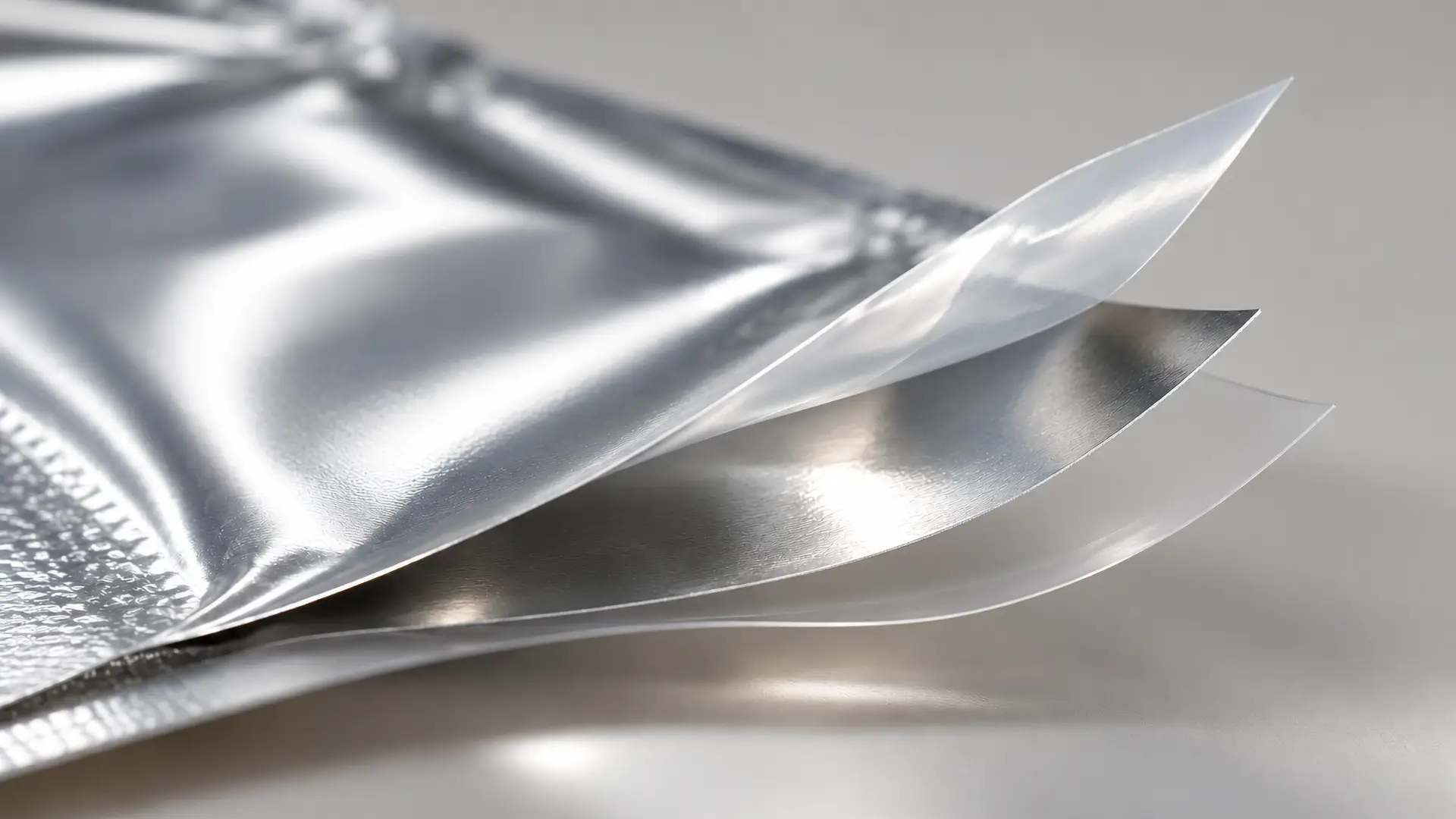
The formulation and format determine how vulnerable the product is; the material determines the extent of its exposure. For Probiotics, the key parameter is the water vapor transmission rate (WVTR): the lower it is, the more slowly moisture enters the package. As we saw when discussing Barrier Packaging, aluminum is the only material that blocks moisture, oxygen, and light all at once; an ALU-ALU blister pack provides better protection than a PVC-ALU one, where the PVC blister remains the weak point.
The challenge is the same as with other sensitive products: the highest barrier is almost always achieved through a multilayer film containing aluminum, which is recyclable but not in a closed-loop system. For a probiotic, however, reducing the barrier often means having to increase the overage or shorten the shelf life. It is a trade-off that must be weighed during the development phase, with stability data in hand.
When Postbiotics change the problem
Postbiotics are preparations made from inactivated microorganisms or their components. Since they are not alive, viability is not a parameter that needs to be maintained: they are more stable at higher temperatures and less demanding in terms of storage. This opens up possibilities that are difficult for live probiotics, such as single-dose liquids at room temperature.
I am not an automatic substitute: I am a different ingredient, with my own evidence and my own context. But when the desired formulation and the viability of a strain are at odds, I am an alternative worth considering in the formulation process before abandoning the formulation.
Stability isn’t corrected downstream. It’s planned from the end: first the number at maturity, then everything else.
Designing Backwards
The process that works starts at the end. You determine the quantity to be guaranteed on the last day of shelf life, select a strain with appropriate stability data, develop a formulation with low water activity, and only then decide on the format and packaging material. The stability study on the finished product, in its final packaging, confirms that the system holds up.
Starting from the other end—choosing a format for marketing reasons and a package based on cost—often means discovering too late that the stated dosage won’t last until the expiration date.
Are you developing a dietary supplement with active ingredients that are sensitive to moisture, oxygen, or light, and want to know which format and packaging will ensure the longest shelf life? Talk to us about it.

Related Contents
Barrier Packaging: what actually protects a dietary supplement
Oxygen, light, and moisture degrade active ingredients before their expiration date. How materials and packaging act as barriers, and the issue of recyclability.
Sleep Supplements: the category consumers are evaluating
Sleep is the only category in which consumers evaluate the results using a number.

Packaging and Environmental Claims: Who is responsible for What
MASE has clarified the roles regarding PPWR: whoever applies the label is the manufacturer. The Green Claims regulations take effect on September 27. Here’s what to check now.

PPWR and Green Claims 2026: what’s changing for businesses
As of August 12, packaging is a regulated product; as of September 27, environmental claims must be substantiated. What will change with the PPWR and Green Claims in 2026.
Vegan Supplements: why Certification matters more than Claim
There was a time, not many years ago, when the word "Vegan” on a label was enough to set a product apart. Today, that’s no longer the case — at least not on its own.
Private Label vs White Label
Private Label and White Label are often confused. The difference lies in who develops the formula — and this affects the timeline, costs, and exclusivity of your product.
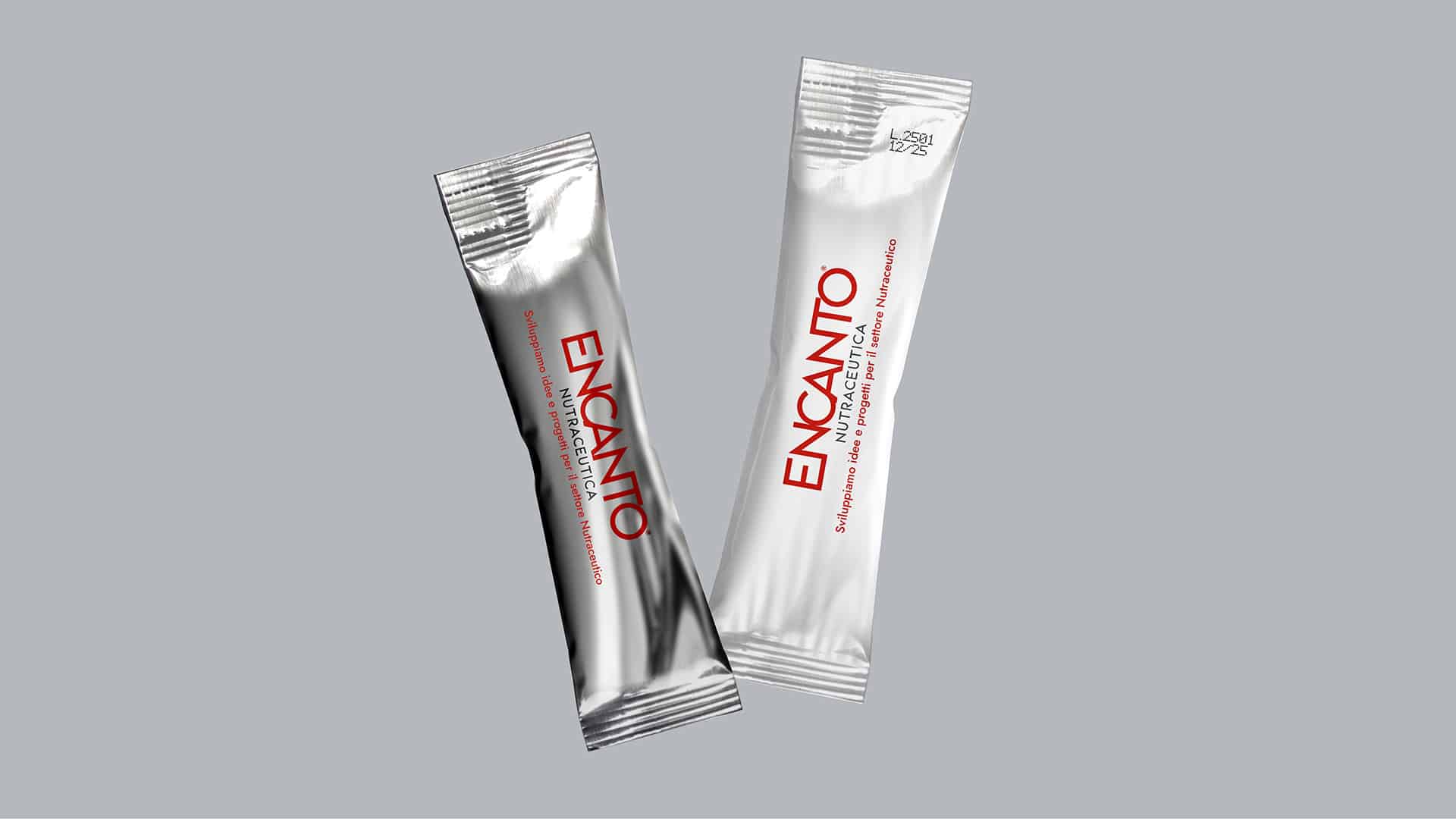
Stick Packs: When the Packaging Is Already Half the Product
The Stick Pack is the fastest-growing nutraceutical format. Portability, single-serve portions, branding, and compliance: why more and more brand owners are choosing it to launch supplements.

Supplementary animal feeds are serious products. We treat them as such.
The packaging of supplements and complementary feed for pets takes place in a dedicated department, in compliance with EC Reg. 183/2005.

Menopause and Nutraceuticals: functional ingredients for each phase.
Menopause is a physiological transition, not a disease. Marine Collagen, Omega-7, Magnesium, Ashwagandha: the nutraceutical ingredients with the strongest evidence for each symptom.

Adaptogens: the plants that help the body respond to stress
Adaptogens are botanicals that support psychophysical resilience by modulating the HPA axis. Ashwagandha, Gastrodia elata, Rhodiola: mechanisms, evidence, and applications in formulation.